
We are reader supported. When you purchase through links on our site, we may earn an affiliate commission. Also, as an Amazon affiliate, we earn from qualifying purchases.
Catchers want more innings, fewer aches, and consistent mechanics. Knee savers can help, but only if you understand types, fit, and tradeoffs. This guide breaks down how knee savers work, the main styles you will see in 2026, what matters for comfort and performance, and which Amazon options are worth a look. If you are buying for a youth catcher or upgrading for varsity and college play, use this step-by-step approach to get the right support without slowing your game.
What Knee Savers Are and How They Work
The Catcher Stance and Knee Load
Catching demands repeated deep knee flexion. Think hundreds of squats per game, many from a static hold. The knee joint handles compressive and shear forces, especially in the bottom of the stance. Over time, that can mean soreness, inflammation, or pain that affects blocking and throwing mechanics.
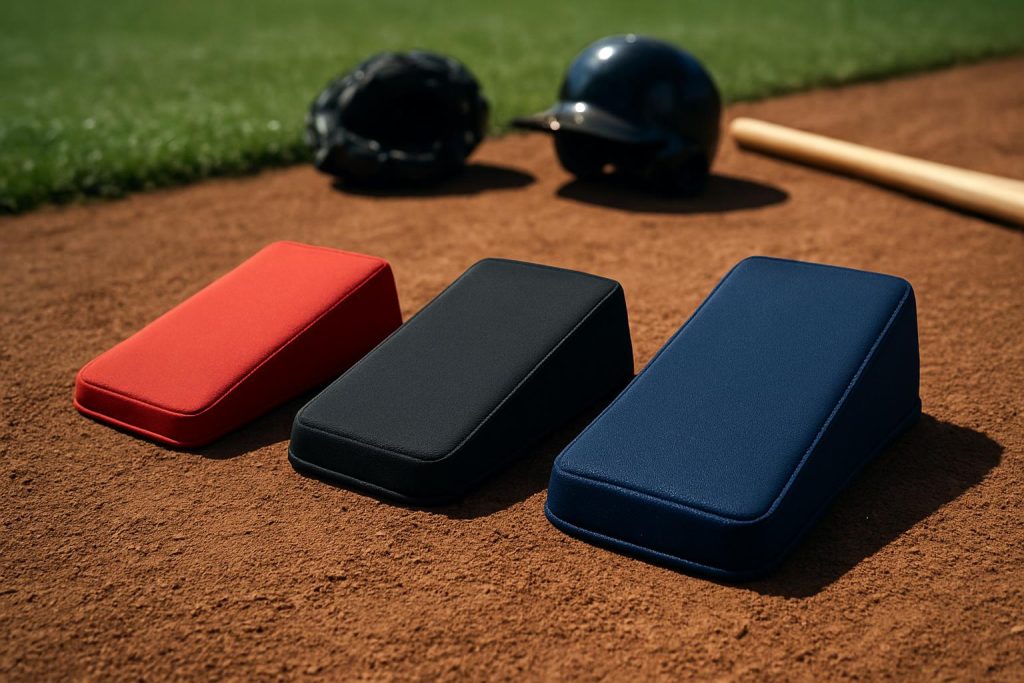
Knee savers are foam or air-cushioned wedges that strap to the back of catcher leg guards. When the catcher sits into the stance, the wedge supports the upper calf and lower thigh. The support reduces the final degrees of knee flexion and takes pressure off tendons and cartilage. The goal is simple: limit stress while preserving mobility.
The Wedge Principle Explained
The wedge increases contact area behind the knee. Instead of the leg floating unsupported in deep flexion, the wedge takes part of the load. This shortens the effective range of motion at the knee by a small amount and shifts some load to the wedge and straps. Properly fitted, the effect feels like a more sustainable bottom position. The catcher can still gain depth, but the last inches of bend no longer carry full body weight.
Types of Baseball Knee Savers in 2026
Classic Wedge Blocks

This is the original and still the most common style. A simple triangular or trapezoid foam block straps to the back of the shin guard. It is reliable, easy to install, and works across brands. You will see it in youth leagues through high school. Common choices include Easton Knee Saver II and All-Star KneeSavers on Amazon.
Contoured Ergonomic Wedges
Some models add curves and varied thickness across the wedge. The shape cradles the calf and spreads pressure more evenly to reduce hot spots. Contoured wedges target comfort during long innings and doubleheaders. Mizuno Samurai Knee Wedge and Rawlings Catchers Knee Reliever lean toward this direction with a softer profile.
Dual-Density Foam and Gel Inserts

Dual-density builds put firmer foam at the base for structure and softer upper foam for comfort. A few models add gel pads in high-pressure zones. The aim is stable support that does not bottom out while staying comfortable on skin and socks. All-Star KneeSavers and select Mizuno options use layered foams. Gel versions are less common but exist in third-party add-ons that still strap to standard leg guards.
Air Cell or Inflatable Designs
Lighter niches include air-pocket systems. Air cells reduce weight and spring back quickly, with a feel that some catchers prefer for quick movement. Inflatable units let you fine-tune firmness, but they are rare in mainstream baseball knee savers and more common in rehab pads. If you see air-cell claims, confirm durability and strap stability in reviews on Amazon before buying.
Youth, Intermediate, and Adult Sizing
Most lines ship in Youth and Adult, with some offering Intermediate. Youth sizes fit 12U or smaller legs and shorter shin guards. Adult sizes suit high school and older. If the wedge extends too high behind the knee on a smaller player, choose Youth. If the wedge does not reach the lower thigh when squatting, size up.
Softball-Specific Variants
Fastpitch catchers use the same knee saver categories. Women’s leg guards can have different strap patterns, but top brands design knee savers to fit either. The match you need is strap compatibility with your guards, not the label baseball or softball.
Pros and Cons You Should Weigh
Key Benefits
Reduced stress at deep knee flexion. A wedge offloads pressure on the joint, which helps catchers log more innings with less soreness.
Consistent stance comfort. Late innings and extra frames feel closer to the first inning. That consistency helps with receiving and framing discipline.
Support during long tournaments. Multiple games in a day amplify fatigue. Knee savers slow the decline.
Tradeoffs and Common Myths
Myth: knee savers make you lazy in the crouch. Reality: poor fit and oversize wedges can raise the stance too much. Correct thickness keeps mobility intact.
Concern: slower pop times. If the wedge is too thick or mounted high, it can interfere with explosive first move. A slimmer profile and lower mount reduce that risk.
Style preference. Some advanced catchers drop knee savers to sit lower and move freer. Others keep slim wedges for workload management. There is no one right answer. Test in practice and track your times and comfort.
How to Choose Knee Savers
Player Profile and Playing Style
Youth and developing catchers benefit from comfort and consistency, so start with a supportive wedge that does not overly raise the stance. High school and college catchers focused on mobility may prefer slimmer or firmer wedges that reduce depth minimally. If you catch multiple games weekly, favor durable dual-density foam.
Compatibility With Leg Guards
Check strap channels on your leg guards. Most knee savers thread through the existing calf and ankle straps of modern guards. If your guards use unique clips or wide straps, confirm the knee saver has slots or bands that accommodate them. Easton, All-Star, Mizuno, Rawlings, and Champro wedges are made to fit major-brand shin guards sold on Amazon.
Thickness and Stance Height
Thickness drives the main feel. Thick wedges reduce deep flexion more, easing knee load but slightly elevating the crouch. Slim wedges keep your stance low and quick. For youth, moderate thickness is helpful. For advanced players, a lower-profile block often balances speed and relief.
Materials, Covers, and Durability
Look for firm base foam so the pad does not collapse under body weight. Soft-touch top layers improve comfort. Durable covers resist abrasion from gear bags and dirt. Reinforced stitching at strap points matters because those seams take repeated stress. Removable covers help with cleaning.
Budget Tiers
Entry level: simple single-density wedges. Affordable, easy to replace, good for rapid growth stages.
Mid tier: dual-density foam and contoured shapes. Better comfort and longevity for travel ball and high school.
Upper tier: premium foam blends, sculpted profiles, durable covers. Choose these if you catch frequently and value consistent feel season after season.
Amazon Product Roundup for 2026
Easton Knee Saver II
Category: classic wedge. Known for reliable foam, straightforward install, and Youth and Adult sizes. The shape is slightly rounded for comfort without being bulky. Strong pick for league and high school. If you use Easton leg guards, compatibility is near plug and play. Users often note solid support with predictable compression over a full season.
Best for players who want a familiar feel with no learning curve. If you prioritize consistent depth and simple maintenance, start here.
All-Star KneeSavers
Category: dual-density classic wedge. All-Star focuses on catcher-specific gear, and this model reflects that focus with firm structure and a soft contact surface. The wedge resists flattening, which helps during tournaments and long practice weeks. Available in Youth and Adult, with colors matching common guard sets on Amazon.
Best for catchers who want durable support and a slightly firmer ride. If you use All-Star leg guards, fit and alignment are straightforward, but it works well with other brands too.
Mizuno Samurai Knee Wedge
Category: contoured ergonomic wedge. The profile cradles the calf and spreads pressure across a wider area. The feel is stable but cushioned, a good balance for multi-sport athletes who value comfort. The Samurai line matches Mizuno guard straps well and still threads into other brands with minimal effort.
Best for athletes sensitive to hot spots or pressure points. If your knees or calves feel pinched by blocky wedges, this contoured option is worth a look.
Rawlings Catchers Knee Reliever
Category: comfort-forward classic wedge. Rawlings pairs soft-touch surfaces with a supportive core. The pad rides quiet inside the shin guard straps and tends to feel forgiving in deep stances. Youth and Adult sizes are common on Amazon, and the brand match is ideal for Rawlings guard users.
Best for catchers who want a softer top feel and smoother pressure distribution. A good pick for youth catchers or players returning from soreness.
Champro Catchers Knee Reliever
Category: value wedge with dependable build. Champro focuses on budget-friendly gear that still holds up through the season. The wedge is simple, stable, and easy to mount. If you need a low-cost option to cover growth years or a spare set for a team bag, this is practical.
Best for teams and parents balancing cost and utility. A smart backup or first set while you sort out stance preferences.
What to Expect Across These Models
All five strap securely to mainstream shin guards and appear regularly on Amazon. Differences are in foam firmness, contour, and cover durability. If you want the most robust structure, All-Star stands out. For classic comfort and predictable fit, Easton and Rawlings deliver. For shaped support, Mizuno Samurai is the ergonomic play. For budget depth or team inventory, Champro keeps costs down.
Fit and Installation Guide
Orient and Align
Identify the top and bottom of the wedge. The thicker side usually sits higher toward the lower thigh. Position the wedge behind the knee crease when you are in a deep squat. You should feel support without the wedge digging into the back of the joint.
Strap Routing
Most models thread through existing calf and ankle straps on your leg guards. Slide straps through the cutouts on the wedge. Center the wedge so it does not cant to the inside or outside of your leg. Tighten until the pad stays put when you move, but do not over-tighten. You want circulation free and no strap pinching.
Quick Checks
Drop into your lowest blocking stance. You should feel the wedge engage just before full knee bend. Then load your first step into a throw. The wedge should not catch or delay the move. If it feels in the way, lower the mount slightly or choose a slimmer wedge. If your knees still bottom out, raise the wedge or size up.
Care and Maintenance
Brush off dirt and infield grit after games. Wipe with a damp cloth and mild soap. Let pads air dry fully before bagging to prevent odor and foam breakdown. Check stitching and strap slots monthly. If foam feels crushed or does not rebound by the next practice, rotate left and right or plan a replacement.
Common Mistakes and Fixes
Mounting too high. This pushes the knee forward and elevates the stance. Lower the wedge so the top edge sits just below the back of the knee crease.
Going too thick too soon. Excess thickness can slow first movement. Start moderate and adjust after measuring pop time.
Ignoring strap wear. Loose straps let the wedge shift mid-game. Replace worn straps or tighten before each start.
Never testing in full gear. Fit the wedge with cleats on and mask in place. Movement patterns change under real conditions.
Rules and Compliance
Youth, high school, college, and most adult leagues allow knee savers as part of standard catcher equipment. Colors and logos need to follow local uniform rules if they are highly visible. Because knee savers mount behind leg guards, compliance issues are rare. Confirm with your league if you use nonstandard colors or custom pads.
Training That Complements Knee Savers
Knee savers reduce stress. Training builds resilience and explosiveness. Pair your pads with simple routines two to three times per week.
Mobility. Hip flexor stretches, ankle dorsiflexion work, and gentle knee range drills keep your crouch smooth.
Strength. Bodyweight squats, split squats, and glute bridges reinforce patterns used in catching. Add light resistance when form is solid.
Power and first-step quickness. Short lateral shuffles and low split-stance starts mimic throw transitions. Keep reps sharp and short.
Recovery. After long games, 5 to 10 minutes of easy cycling or walking and light calf and quad stretches help circulation and reduce stiffness.
Trends to Watch for 2026
Lighter foams with better rebound. Manufacturers are refining foam blends to keep support without bulk.
Contoured profiles on more models. Expect wider calf cradles and pressure-spread designs to reach mid-price tiers.
Improved covers and hygiene features. Antimicrobial fabrics and easier-to-clean shells are expanding beyond premium lines.
Integration with leg guards. Some guard sets may ship with compatible wedges or dedicated strap channels for faster setup.
Frequently Asked Questions

Do knee savers slow pop time?
They can if they are too thick or mounted too high. Slim or mid-profile wedges, mounted correctly, keep pop times close to baseline while reducing knee strain. Test during practice and adjust thickness or position until movement is clean.
Are knee savers only for youth?
No. Many high school and adult catchers use them to handle heavy workloads. The difference is often profile choice. Youth may use thicker wedges for comfort. Older players often prefer slimmer, firmer support.
Do I need brand-matched wedges for my leg guards?
Not necessarily. Most wedges fit most guards. Brand-matched sets can simplify install, but cross-brand pairing is common and works fine as long as the straps align.
How often should I replace knee savers?
When foam no longer rebounds, when the cover tears, or when the wedge shifts mid-game despite proper strapping. For frequent catchers, this can be once per season. Light youth use may stretch longer.
Can softball catchers use the same products?
Yes. Choose the size that matches your shin guards and leg length. Fit and function are the same.
Quick Buying Checklist
Confirm size: Youth, Intermediate, or Adult. Match to leg length and guard size.
Choose profile: slim for speed, moderate for balance, thick for maximum relief.
Check compatibility: strap slots align with your guard straps.
Pick materials: dual-density foam for durability, contoured surfaces for comfort.
Plan maintenance: removable or easy-clean covers are a plus.
Example Setups for Different Players
Youth league starter. Pair Champro Catchers Knee Reliever with basic shin guards for value and comfort. Mount low and keep stance natural. Replace as the player grows.
Travel ball or high school regular. Easton Knee Saver II or Rawlings Knee Reliever offers a stable mid-profile that holds up through tournaments. Test pop times and adjust height if needed.
Advanced mobility-first catcher. All-Star KneeSavers in a slim configuration or a firmer, lower-mount setup. You get support without raising the crouch.
Comfort-priority or returning from soreness. Mizuno Samurai Knee Wedge for contoured pressure spread and soft top feel.
How to Test Your Setup in One Practice
Warm up and catch 15 to 20 mid-zone pitches to feel baseline support. Run five quick pop-and-throw reps to second and time them. Make a minor adjustment if pop time slows more than a tenth of a second. Catch low-zone and breaking balls to check deep stance comfort. Finish with a simulated inning. If knees feel supported and movement is clean, lock the setup.
When Knee Savers Are Not the Answer
If you rely on a deep one-knee receiving style and already sit very low, a thick wedge may fight your stance. In that case, try a slim wedge or skip them. If pain persists even with proper gear, do not mask it. See a qualified sports clinician. Gear helps manage load, but it does not replace medical care.
Final Tips for Amazon Shoppers
Check sizing charts on the product page. Youth, Intermediate, and Adult vary by brand. Read recent reviews for notes on foam firmness and strap durability. If you are between sizes, consider the lower profile unless you specifically need more relief. Keep arrival timing in mind if you have games on the calendar. Give yourself one or two practices to dial fit.
Conclusion
Knee savers are simple tools that can extend your catching time and keep your stance consistent through long days. The right choice depends on thickness, contour, and fit with your guards. Classic wedges like Easton Knee Saver II and All-Star KneeSavers cover most needs. Contoured options like Mizuno Samurai Knee Wedge add comfort for sensitive knees. Rawlings and Champro deliver dependable value found easily on Amazon.
Install carefully, test movement, and adjust height before game day. Pair your gear with smart mobility and strength work. Make data-driven choices using pop times and how your knees feel in the seventh inning, not just the first warmup. Do this, and you will get the support you need without sacrificing quickness or control behind the plate.