
We are reader supported. When you purchase through links on our site, we may earn an affiliate commission. Also, as an Amazon affiliate, we earn from qualifying purchases.
Building a reliable backyard batting cage can transform practice time, save money on cage rentals, and keep development consistent year round. If you are planning a setup for 2026, you need gear that is safe, weather smart, and compatible with modern training tools. This guide breaks down how to choose the right size, frame, and net, how to install and maintain it, and which Amazon available batting cages offer the best value by use case and yard size. Keep reading to avoid the usual pitfalls and get a durable backyard layout that your hitter will actually use.
What Makes a Backyard Batting Cage Great in 2026
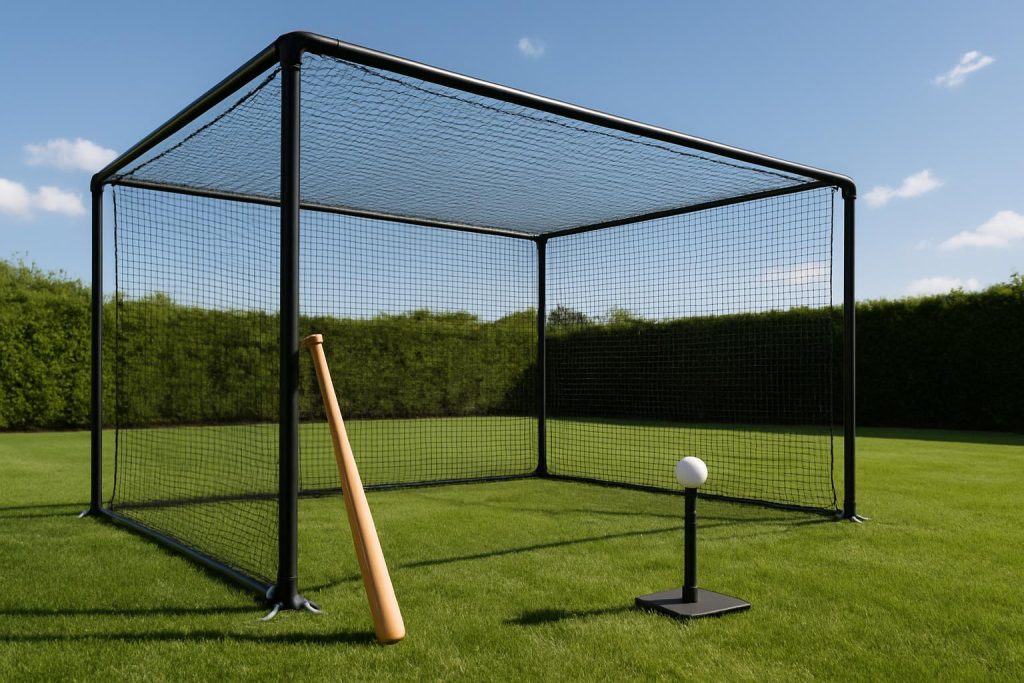
Backyard conditions are different than a facility. Space is tight, weather is unpredictable, and installation is usually DIY. A great backyard batting cage should be easy to assemble, stable in wind, long enough to protect surroundings, and made with UV treated netting that will not fail after one season. It also needs a clean entry, solid anchoring, and enough width and height to reduce ricochets and net sag. Finally, it should integrate with common pitching machines and tracking tech without forcing you to rebuild later.
First Questions To Answer Before You Buy
Available Space and Orientation
Measure the flat, open area you can dedicate. Ideal cage footprints:
– Compact yards: 16 to 24 ft long, 10 to 12 ft wide, 8 to 10 ft high
– Medium yards: 30 to 40 ft long, 10 to 12 ft wide, 10 ft high
– Full length training: 55 to 70 ft long, 12 ft wide, 10 to 12 ft high
Orient the cage so hitters drive toward open space, not windows or neighbors. Leave 2 to 3 ft clearance around the outside when possible for safety and maintenance access.
Primary Use and Player Level
– Tee work and soft toss only: a 16 to 24 ft cage is enough
– Front toss and short-distance machine work: 30 to 40 ft works well
– Full-distance machine work and live BP: 55 to 70 ft is ideal
Stronger hitters, metal bats, and machine work demand thicker netting and better anchoring. Plan for growth if your player is advancing quickly.
Local Rules and Safety Buffer
Check HOA rules and local ordinances on permanent structures. Some areas require setback from fences or property lines. Keep doors, windows, and cars out of the ball flight line. Use a backstop panel or baffle net behind the plate to absorb heavy contact and protect the main net.
Frame Types Compared
Fiberglass Pole Frames
Pros: Light, portable, easy to assemble with two people, lower cost. Good for short cages up to 36 ft. Cons: Can flex in wind, need careful anchoring, shorter lifespan under heavy use. Best for casual to moderate use, or renters who need portability.
Steel or Trapezoid Frames
Pros: Rigid, stable, better in wind and weather, more professional feel, usually taller. Cons: Heavier, slower to assemble, higher price, may require more anchors or ground work. Best for medium to long cages and for daily training.
Freestanding Arch or Cable Systems
Pros: Clean lanes with fewer poles in the hitting zone, adjustable suspension, easy net removal for winter. Cons: Higher complexity and cost, needs precise anchoring and tensioning. Best for long term installations and advanced users.
Netting Fundamentals That Matter
Twine Gauge and Material
Look for UV treated, weather resistant polyethylene or nylon. Heavier twine gauges resist wear and improve safety. For youth and general use, midrange is fine. For older players and frequent use, step up in gauge.
Knotted vs Knotless
Knotted nets are traditional and durable. Knotless nets reduce ricochet and can be quieter on contact. Either works if the twine is quality and UV treated.
Mesh Size and Color
Standard mesh is around 1.75 in. Smaller mesh can reduce ball leaks with reduced flight balls or smaller training balls. Black nets often hold up best in UV and look clean in a yard.
Doors, Overlap, and Baffles
Choose a cage with a zip or overlap entry that closes fully. Add a separate back panel or baffle net behind home plate to take repeated hits. This preserves the main net and extends life by seasons.
Anchoring, Wind, and Weather Planning
Anchoring Basics
Use ground stakes, auger anchors, or ballast bags on every corner and along long sides. On patios, weigh down bases with sandbags or pavers. Avoid relying on a few tent pegs. A well anchored cage is a safe cage.
Storm Readiness
In high winds, drop the net or detach one side to spill wind. Some cages allow quick net removal while leaving the frame. If severe weather is expected, disassemble lightweight frames.
Sun, Rain, and Winter
UV is the silent killer of nets. Choose UV stabilized nets and store the net indoors if you will not use it for months. In cold climates, take down the net before heavy snow loads. Dry nets fully before storage to reduce mildew.
Sizing Your Cage: Practical Yard Fits
16 to 24 ft for Small Yards
Perfect for tee work, front toss, and short soft toss. Add a compact pitching machine that works from 20 to 25 ft. Keep height near 10 ft if possible to prevent any lofted balls from grazing the top net.
30 to 40 ft for Most Homes
Allows simulated timing and light machine use. Keeps balls contained even on mis hits. Combine with an L screen if live arm throwing will be used.
55 to 70 ft for Full Training
Supports realistic ball flight, live BP, and regulation machine distances. Consider a double lane if you coach multiple athletes. Ensure solid anchoring and a net with a durable baffle behind the plate.
Top Backyard Batting Cages You Can Buy on Amazon
The picks below are commonly available on Amazon and have solid track records. Check current dimensions and packages, as options can vary by length and included accessories.
Best Budget Compact Cage: Heater Sports PowerAlley 22 ft Home Batting Cage
Why it stands out: Affordable, light, and easy to assemble for a first backyard cage. The fiberglass pole design keeps the footprint simple and quick to set up. The cage is roughly 22 ft long, about 12 ft wide, and about 8 ft high, which suits tee work, soft toss, and short distance machine reps.
Who it is for: New hitters, younger players, tight yards, or anyone wanting a low commitment starter cage. Pair it with a low to mid speed machine and a baffle to reduce ball wear at the back.
Notes: Anchor every corner. Consider sandbags for patios. Expect some net stretch after the first sessions and retension as needed.
Best Modular Length System: Heater Sports Xtender Series
Why it stands out: The Xtender series connects sections to build 24, 30, 36, 48, 60, or 72 ft lengths. It is one of the simplest ways to start smaller and expand as your player grows. Heights are around 8 ft with widths around 12 ft, using fiberglass and steel support combinations depending on model length.
Who it is for: Families planning to scale. You can begin at 24 or 30 ft and add sections to reach full distance later. Works well with Heater pitching machines and similar compact models.
Notes: As length increases, invest in extra anchoring. Add a baffle panel to protect the back end and extend the life of the main net.
Best Trapezoid Steel Frame: Fortress Trapezoid Batting Cage 35, 55, or 70 ft
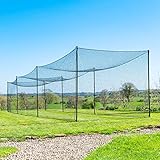
Why it stands out: Steel trapezoid frames create a rigid, professional feel with reliable height and width. Common sizes include 35, 55, and 70 ft lengths around 10 ft high by 10 ft wide, with powder coated steel and a durable net. Many users appreciate the cleaner lane with fewer flex points than fiberglass.
Who it is for: Committed families or coaches who want a long term setup with improved wind resistance. Ideal for medium to full length training at home.
Notes: Assembly is more involved than a pop up style cage. Verify you have space for the footprint plus working room. Add ground anchors and consider a home plate baffle.
Best Complete Backyard Kit: Hit Run Steal Batting Cage 40 x 10 x 10
Why it stands out: A complete cage with frame and net often ships as a ready to assemble kit in a popular 40 ft size. The 10 ft height and 10 ft width are solid for most yards and support a variety of training modes.
Who it is for: Serious youth and high school hitters who want a longer cage without piecing together separate frame and net systems.
Notes: Verify current package contents on Amazon, as configurations can vary. Plan two to three people for assembly and set aside a few hours for a careful install.
Best Net Only Upgrade: Cimarron 55 x 12 x 10 or 70 x 12 x 12 Batting Cage Net
Why it stands out: Cimarron nets are popular for upgrading an existing frame or building a custom setup. Common net sizes include 55 x 12 x 10 and 70 x 12 x 12. They are available in different twine gauges to match use level.
Who it is for: Users with DIY frames, or anyone replacing a worn net while keeping their existing poles. Strong option if you need a specific length and height.
Notes: Consider a separate cable kit for overhead suspension and a heavy baffle for the hitting zone to maximize net life.
Best Short Yard Value: Gagalileo Backyard Batting Cage 16.5 ft, 22 ft, or 30 ft
Why it stands out: Budget friendly lengths with a straightforward frame and a small footprint. Good for tee work and soft toss in tight spaces.
Who it is for: Beginners and small yards that need a simple cage for routine practice without long distance machine use.
Notes: Anchor carefully and avoid high speed machines or older, stronger hitters in the shortest sizes. Add an L screen if doing front toss.
How These Picks Compare in Real Use
Setup Time and Difficulty
– Fastest: Heater PowerAlley and short Gagalileo models. Expect 60 to 120 minutes for two people.
– Moderate: Heater Xtender mid lengths and Hit Run Steal 40 ft. Expect 2 to 4 hours.
– Longest: Fortress Trapezoid and larger custom setups. Plan half a day and extra time for precise anchoring.
Stability and Durability
– Highest stability: Steel trapezoid frames and well anchored long cages
– Mid stability: Modular fiberglass and hybrid frames with proper anchors
– Lower stability: Short, lightweight fiberglass frames in windy areas without ballast
Best Use Cases
– Tee and soft toss only: 16 to 24 ft fiberglass systems
– Mixed training with front toss and compact machines: 30 to 40 ft hybrid or steel systems
– Full training and live BP: 55 to 70 ft steel or cable supported systems with thick netting and a baffle
Accessories That Improve Safety and Net Life
Baffle or Backstop Panel
Add a dedicated baffle panel behind home plate. It absorbs repeated impacts from both bats and machines and saves your main net from wear spots.
L Screen
If throwing live or front toss, use an L screen. Amazon offers multiple steel and fiberglass L screens, including options from PowerNet and GoSports. A portable 7 x 7 ft L screen fits most cages and stores easily.
Hitting Mat and Plate
A 5 x 7 ft or 6 x 12 ft turf hitting mat preserves your yard, sets consistent stance lines, and reduces slipping. Add a throw down or weighted home plate for alignment.
Anchors and Ballast
Use spiral ground anchors, sandbags, or paver weights for every corner and mid span pole. Do not skip this step. It directly reduces tip risk, wind damage, and net rubbing.
Pitching Machine and Balls
Compact machines from Heater Sports pair well with short cages. For longer cages, consider midrange wheel machines. Use dimpled machine balls when feeding a machine to reduce scuffing and net damage.
Step by Step Backyard Installation Plan
1. Site Prep
Clear rocks, sticks, and overhead obstructions. Mow grass short. Confirm no sprinkler heads or utilities along anchor points. Mark the four corners and mid span supports with stakes and string.
2. Dry Fit the Frame
Lay out all poles and connectors by section. Assemble without the net first to confirm square corners and even spacing. Check height clearance at full extension.
3. Anchors and Ballast
Install ground anchors at corners and at any central posts. For patio installs, place pavers or sandbags at each vertical. Pre tension cables or support lines if your kit includes them.
4. Hang the Net
With two or three people, drape the net over the top center, then work down both sides evenly. Attach with carabiners, bungees, or included ties. Avoid overstretching one side; keep the net centered to reduce sag.
5. Entry and Baffle
Install the entry point as instructed. Hang a baffle panel 3 to 5 ft behind home plate, centered at shoulder height. Ensure overlap so no gap remains for balls to slip through.
6. Final Tension and Test
Walk the perimeter. Tighten loose ties and confirm anchor depth. Roll a few balls along the ground to check for openings. Hit low intensity shots first and watch for any net creep, then retension.
Maintenance That Extends Life
Weekly Quick Check
– Confirm anchors are secure
– Inspect high wear areas behind the plate
– Look for frayed netting and replace worn ties
Monthly Deep Check
– Wash dust and pollen with a hose on a gentle setting
– Rotate or flip the baffle panel to spread wear
– Relevel mats and check for trip hazards
Seasonal Care
– Before storm season, plan how you will drop or detach the net quickly
– Before winter, remove and store the net indoors if snow loads are expected
– In high UV regions, cover top runs with shade cloth strips if allowed by your frame
Budget Tiers and What You Get
Under 300
Short cages with lightweight frames suited for tee work and soft toss. Good starter option, but expect more frequent adjustments and a shorter lifespan.
300 to 800
Better materials, mid length options up to 36 or 40 ft, improved netting, and more robust anchors. This range covers most family needs.
800 to 2000
Steel frames, trapezoid designs, and long cages up to 55 or 70 ft. More professional feel and stability. Higher long term value if used often.
2000 and up
Heavy duty frames, premium nets, cable systems, or double lane builds. Focus on performance and longevity with daily use.
Common Mistakes and How to Avoid Them
Buying Too Short
Short cages are fine for tee work and front toss but can be limiting for older hitters. If your player is growing, choose a cage that can expand, like the Heater Xtender, or go straight to 35 to 40 ft.
Skipping Anchors
Wind will find weak points. Use proper anchors and ballast on every install, even small ones. It reduces risk and keeps your frame aligned.
No Baffle Panel
Repeated impacts on one spot will wear the net fast. A separate baffle panel is cheaper than a whole new net and reduces ricochet risk.
Ignoring UV and Storage
UV damage creeps up slowly and then shows as brittle twine. Store the net in the off season, or at least during the hottest months if not used.
2026 Trends To Watch
Weather Resilience
More brands are reinforcing seams, adding UV stabilizers, and offering quick release net hangs to drop nets before storms. Expect more modular shading and better rust resistance on frames.
Quieter, Safer Nets
Knotless and softer impact panels reduce noise in neighborhoods and lower ricochet risk. This helps family acceptance and neighbor relations.
Integrated Tech
Backyard cages pair well with swing sensors and ball flight tools that are easy to find on Amazon. Devices like Blast Baseball Swing Analyzer or portable radar units add feedback without changing your cage. Plan a small shelf or mount near the plate for devices and a protected power bank.
Recommended Setups by Yard Size
Small Yard Starter
– Cage: Heater Sports PowerAlley 22 ft or Gagalileo 22 ft
– Add ons: Baffle panel, 5 x 7 ft mat, compact L screen
– Use: Tee work, soft toss, short distance machine
This layout keeps costs low but adds the safety and durability upgrades that matter.
Most Homes Balanced Build
– Cage: Heater Sports Xtender 36 ft or Hit Run Steal 40 x 10 x 10
– Add ons: L screen, baffle, spiral anchors, 6 x 12 ft mat
– Use: Front toss, mid speed machine, early live arm work
This is the sweet spot for most families and supports steady improvement.
Full Length Training Lane
– Cage: Fortress Trapezoid 55 ft or 70 ft
– Add ons: Heavy baffle, professional L screen, turf landing lane for machine, extra anchors
– Use: Live BP, full distance machine, advanced hitters
This layout mirrors a facility feel and handles frequent sessions.
How To Choose Between Similar Models
If You Need Quick Setup
Pick a fiberglass or hybrid system like PowerAlley or a mid length Xtender. Target a 2 hour build with two people and keep a labeled storage bin for ties and anchors.
If Your Area Is Windy
Choose a steel trapezoid or heavier frame and over anchor it. If using a lighter frame, plan to drop the net during wind events.
If Your Hitter Is Strong
Prioritize heavier twine netting and a large baffle. Consider a 12 ft wide cage to reduce ricochets and give more side margin for pull and push hitters.
If You Are Unsure on Length
Go modular with the Heater Xtender so you can add sections later. It is simpler and cheaper than replacing a cage entirely.
DIY Tweaks That Add Value
Side Skirts
Add short rubber or turf skirts around the lower perimeter to block ground balls and protect the net bottom edge from abrasion.
Net Hangers and Carabiners
Use metal carabiners and ball bungee cords for easy removal and even net spacing. This makes seasonal changes quick and prevents overstressing one section.
Simple Lighting
Install outdoor safe LED strip lights on the outside top bar or use two portable work lights on stands outside the cage. Avoid lights inside the net to prevent tangles.
Noise Damping
Attach a thin foam or fabric layer behind the baffle to reduce slap noise on contact. This keeps sessions neighbor friendly.
Frequently Asked Questions
Is 22 ft long enough?
For tee work, soft toss, and short machine reps, yes. For realistic timing and stronger hitters, 30 to 40 ft is better. For live BP and full distance machines, aim for 55 to 70 ft.
What height should I choose?
Ten feet is a practical minimum for most backyards. Twelve feet gives more safety margin for high flight and older hitters. Match height to your frame type and stability needs.
How long will a net last?
With UV treatment, a baffle, and proper storage, a home net can last several seasons. Heavy daily use demands a thicker twine and frequent inspections.
Can I place the cage on a patio?
Yes, with ballast. Use sandbags or pavers at corners and mid spans. Protect the surface from abrasion with rubber pads under bases.
Product Snapshots and Selection Tips
Heater Sports PowerAlley
Great for new users. Expect simple assembly and a compact footprint. Use low to mid speed machines, add a baffle, and anchor well.
Heater Sports Xtender
Scalable sections keep you future ready. As length grows, add anchors and consider side ballast. Upgrade to thicker netting if your player gets stronger.
Fortress Trapezoid
Steel rigidity for longer runs. Confirm gate and entry points, plan a full afternoon for setup, and invest in a pro grade baffle.
Hit Run Steal 40 ft
Balanced length with a complete kit feel. Good for households that want a longer run without custom building. Keep a maintenance schedule to protect your investment.
Cimarron Net
Pick the length and twine gauge that fits your level. Combine with a cable kit for a clean overhead suspension and quick net removal before storms.
Gagalileo Short Cages
Budget friendly practice lanes. Add an L screen for safe front toss and keep a close eye on anchors in windy conditions.
Safety Checklist Before First Swing
– Entry is closed and secured
– Baffle panel is centered behind the plate
– Anchors are fully seated or ballast is correctly placed
– No gaps along the bottom edge; add stakes or skirts if needed
– L screen is in place if tossing
– Audience or family members stand well behind the hitting zone, never outside the cage line of fire
Sample Shopping Lists
Compact Practice Pack
– Heater PowerAlley 22 ft cage
– Baffle panel and 5 x 7 ft hitting mat
– Spiral anchors or sandbags
– Portable L screen
Use for daily tee work and short toss without disturbing neighbors.
Intermediate Home Trainer
– Heater Xtender 36 ft cage
– Heavy baffle panel
– 6 x 12 ft turf mat and weighted home plate
– L screen and compact pitching machine
Supports a mix of development modes and scales later as needed.
Advanced Backyard Facility
– Fortress Trapezoid 55 or 70 ft cage
– Professional L screen
– Thick baffle and spare ties
– Full length turf lanes and extra anchors
Delivers consistent, safe reps that rival facility time.
Troubleshooting Common Issues
Net Sagging
Recenter the net and add more hang points. Use evenly spaced carabiners and bungees. Add top line tension if your system supports it.
Frame Lean in Wind
Increase ballast or add deeper ground anchors. Ensure corners are square and legs are plumb. In severe wind areas, consider a steel trapezoid frame.
Balls Escaping at Ground Level
Stake the bottom edge at intervals or add a ground skirt. Rake a shallow trough inside the perimeter to trap skippers if needed.
High Wear Behind Plate
Center and tighten the baffle. Rotate it monthly. If wear continues, add a second baffle or a heavy vinyl backstop behind the baffle net.
Final Buying Advice
Match Level and Length
Buy the longest cage your space and budget allow. Length protects surroundings and improves training quality.
Prioritize Net Quality
An upgraded net plus a baffle almost always outlasts a bargain net alone. It also reduces ricochets and noise.
Plan for Weather
Anchors, ballast, and quick release net hangs are non negotiable. A few minutes of prep saves hours of repair.
Think Ahead
Choose modular systems if you expect growth, or invest once in a steel trapezoid frame for a long term build. Either path beats replacing a too short cage in a year.
Conclusion
A backyard batting cage should be safe, stable, and sized to your training goals. In 2026, the best options on Amazon include compact and modular fiberglass systems like Heater Sports PowerAlley and Xtender for easy starts, and sturdier steel framed cages like Fortress Trapezoid and Hit Run Steal for long term, higher level training. Pair your cage with a heavy baffle, proper anchoring, and a good L screen. Set it up carefully, maintain it monthly, and store the net in the off season. Do this right and you will get years of reliable reps without driving to a facility. Measure your space today, pick the length that matches your player’s needs, and build a backyard setup that keeps development consistent and the yard protected.