
We are reader supported. When you purchase through links on our site, we may earn an affiliate commission. Also, as an Amazon affiliate, we earn from qualifying purchases.
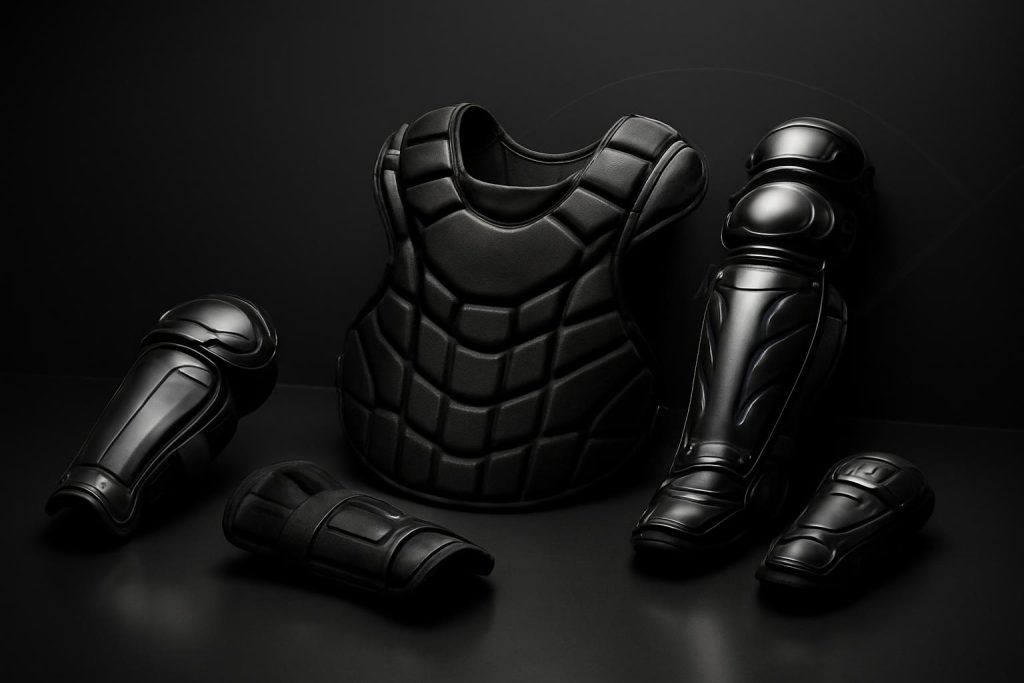
A line drive back through the box is every pitcher’s nightmare. The ball gets on you fast, and there is not a lot of time to get the glove or body in the right spot. That is why more pitchers at every level now wear slim, light protection under their uniform. In 2026, you do not need bulky catcher-style pads to feel safer on the mound. You just need the right low-profile pieces that protect the head, chest, and vulnerable spots on your legs and hands without changing your delivery. This guide breaks down why pitcher protection matters, how to pick the right gear, and the seven best protective gear sets you can buy on Amazon to match your level, budget, and league rules.
Why pitcher protection matters now more than ever
Hitters are stronger, bats are better, and exit velocities keep climbing. Pitchers stand closer to home plate than any other defender and start each play with both feet pointing at the batter. That means your chest, head, landing leg, and throwing arm are exposed. A simple, comfortable set of protective gear can help take the fear out of your delivery and keep you focused on execution. It also helps parents feel better when their youth pitcher takes the hill.
How we picked the best pitcher protection sets
Impact zones that matter for pitchers
Pitchers do not need the same gear as catchers or batters. The biggest concerns are line drives to the head, sternum and heart area, groin, forearms and elbows, and the landing leg and toe. We looked for pieces that target those zones with thin, modern materials that stay flexible but stiffen on impact, so you can pitch without feeling restricted.
League legality and distraction rules
Most leagues allow soft or low-profile protection under the uniform, but they often restrict hard plastic on the mound and do not allow bright, reflective, or distracting accessories. We prioritized soft-shell, under-jersey pieces and neutral colors. Always check your league’s rule book and ask your coach or umpire before game time.
Comfort, mobility, and breathability
If a pad changes your arm path or stride, you will not wear it. We focused on cap liners that fit under a regular baseball cap, heart-guard compression shirts that move with you, light shin protection that slides under your pant leg, and cups that stay put without chafing. Every item here is known for being thin, breathable, and forgettable while you pitch.
Real-world availability on Amazon
Every product named below is a mainstream, widely available item on Amazon.com as of 2026. We chose options with a track record of use in baseball, good sizing ranges for youth and adults, and consistent customer feedback. Product availability can change, so check listings for current sizes and colors.
Quick sizing and fit guide for pitcher protection
Cap liners
Cap liners should sit comfortably inside your baseball cap without lifting the crown too high. If your hat feels tight, move up one cap size. Look for liners that are thin, vented, and cut to match the cap shape. They should not rattle or slide when you run.
Heart-guard shirts
Heart-guard compression shirts should fit snug, like a base layer. The padded zone must sit over the sternum and heart without sliding up when you lift your arms. If between sizes, most players prefer the tighter fit to keep the pad in place.
Cups and supporters
A proper cup is non-negotiable. Choose a supporter or compression short with a built-in cup pocket. The cup should sit centered, with no pinching when you stride. For youth, look for soft edges and flexible frames. For adults, choose a firm, anatomically shaped cup.
Shin and elbow protection
Shin protection for pitchers should be soft-shell or flexible pads that fit under your pant leg on the landing-leg tibia. Elbow protection, if allowed, should be soft, sleeve-style pads that will not distract the hitter or violate your league’s rules.
The 7 best protective gear sets for pitchers in 2026
1) The Lightweight Pitcher Safety Trio (Adult)
This set is for high school, college, and adult pitchers who want core protection without changing how their cap or jersey feels. It stays under your uniform and keeps your profile clean.
What is in the set on Amazon: 3rd Skull 2.0 Cap Insert (protective liner that sits under your baseball cap), Champro Heart Shield Compression Shirt (adult sizes, padded over the sternum and heart), Shock Doctor Core Supporter with BioFlex Cup (or Shock Doctor Core Compression Shorts with BioFlex Cup).
Why it works: The 3rd Skull 2.0 liner adds impact dispersion over key skull areas with minimal bulk. The Champro heart-guard compression shirt is light and mobile, but it places a reinforced pad exactly where pitchers worry most during comebackers. Shock Doctor’s BioFlex Cup is a proven design that protects without pinching.
Best for: Varsity, travel ball, college, and any adult league that allows soft, under-jersey protection. It is a balanced, all-season setup that you can forget you are wearing once you get warm.
Fit tip: If your cap becomes too snug with the liner, move up one cap size or re-shape the crown slightly. For the shirt, choose the tighter fit so the pad does not migrate during your delivery.
2) Youth Starter Safety 4-Pack (Ages 8–14)
Young pitchers need protection that is simple to wear and hard to notice. This set focuses on comfort and confidence for new mound time.
What is in the set on Amazon: 3rd Skull 2.0 Youth Cap Insert, Markwort Youth Heart-Gard Protective Body Shirt (compression tee with the Heart-Gard insert), Bodyprox Shin Guard Sleeves Youth (soft, sleeve-style shin pads to protect the landing leg), Shock Doctor Youth BioFlex Cup (with youth supporter or compression short).
Why it works: The 3rd Skull liner slips right into a youth cap. Markwort’s Heart-Gard is a classic design trusted in youth baseball. The Bodyprox sleeves are soft and low-profile, so they slide under baseball pants and protect the tibia from foul tips and weak comebackers without getting in the way. The Shock Doctor youth cup fits well and stays centered.
Best for: Little League and middle school pitchers, especially kids who are just starting to throw harder and face stronger hitters. It is also a great package for parents who want a simple, proven solution.
Fit tip: For the heart-guard shirt, check the manufacturer’s chest measurement chart and choose based on chest size, not age. Make sure the shin sleeve pad sits on the front of the landing leg, not on the side.
3) Pro-Level Low-Profile Impact Set (Advanced High School/College)
When exit velo is high, you want impact tech that is thin and smart. This set uses flexible pads that stiffen on impact and a cap liner trusted by serious players.
What is in the set on Amazon: Unequal Dome Baseball Pitcher’s Cap Liner, G-Form Pro-X3 Elbow Guard Sleeve (soft, impact-responsive protection for the glove-side forearm or throwing elbow if allowed), Tuff Toe Pro V2 Pitching Toe Guard (adhesive, abrasion-resistant toe cap for your cleat).
Why it works: The Unequal cap liner is designed to reduce impact energy with ultra-thin military-grade materials and fits discreetly under your cap. G-Form’s Pro-X3 uses a soft foam that hardens at impact, giving you flexible motion while pitching and real protection when you need it. The Tuff Toe Pro protects both your toe and your cleat from drag, extending cleat life and adding a bit of shielding on contact plays near your foot.
Best for: Advanced pitchers and those who throw a lot on turf or in tournaments, where toe drag is heavy and line drives are hot. Also good for infielders who pitch part-time and prefer a single setup.
League check: Some leagues limit any elbow or forearm padding for pitchers. The G-Form sleeve is soft, but always confirm with your coach or umpire before wearing it while pitching.
4) Budget-Friendly Essentials Kit (Adult and Youth)
Great protection does not have to be expensive. This value bundle covers the big three zones with reliable, wallet-friendly pieces you can find year-round on Amazon.
What is in the set on Amazon: COOLOMG Padded Compression Shirt with Chest Protection (youth and adult sizes; soft sternum/heart padding), Bodyprox Shin Guard Sleeves (soft, slim shin protection), Shock Doctor Core Supporter with BioFlex Cup or comparable budget cup and supporter.
Why it works: The COOLOMG padded shirt gives you a core layer of chest protection without extra weight. The Bodyprox sleeves slide easily under pants and protect the vulnerable landing-leg shin. Shock Doctor’s cup remains the standard for comfort and fit, and you can often buy it as a combo with compression shorts.
Best for: Families buying for multiple kids, rec leagues, and players who want to test if they like pitching with protection before buying premium pieces.
Fit tip: If you are between sizes for the padded shirt, choose the smaller size so the pad stays put when you stride and follow through.
5) Landing-Leg Protection Pack for Comebackers
Many line drives and deflections catch the landing-leg shin or ankle. This set protects the front of the tibia and keeps your stride smooth. It also helps if you field a comebacker off your leg and still want to keep pitching.
What is in the set on Amazon: G-Form Pro-X3 Shin Guards (flexible, soft-shell pads that harden on impact), Mizuno Slider Knee Pad (worn on your glove-side knee or landing leg if you like a touch of cushion), Tuff Toe Pro V2 Pitching Toe Guard.
Why it works: The G-Form shin pads are light, thin, and easy to hide under your pants. They are designed to flex with your stride, but they stiffen up when hit. The Mizuno slider knee pad gives you a slim buffer when you finish low or occasionally scrape the mound. Tuff Toe Pro saves your cleat toe and adds confidence on close plays at the bag.
Best for: Pitchers on turf mounds, older players who have felt a sting to the shin before, and anyone who wants to be able to throw the next pitch after a deflection.
League check: These are soft items, but keep colors neutral and confirm your league’s guidelines about pitcher-visible pads.
6) Soft-Only, Rule-Friendly Protection Set
Some leagues are strict about pitchers wearing hard shells. This set keeps everything soft, under the uniform, and neutral in color so you can step on the mound with confidence and no rule headaches.
What is in the set on Amazon: 3rd Skull 2.0 Cap Insert, McDavid HEX Sternum Shirt (padded compression base layer with HEX padding over the chest), G-Form Pro-X3 Elbow Guard Sleeve or McDavid Hex Elbow Sleeve (soft, low-profile elbow protection), Shock Doctor Core Compression Shorts with BioFlex Cup.
Why it works: All four pieces are trusted, soft, and slim. The cap insert is invisible under your hat, the McDavid HEX panel protects the sternum without adding heat, and the elbow sleeve uses soft padding that is typically allowed where hard guards are not. The compression shorts keep the cup locked in place.
Best for: High school pitchers under stricter state rules, travel teams with umpires who prefer no hard shells on the mound, and anyone who prizes comfort first.
Fit tip: With HEX and similar foams, a snug fit prevents pad drift. If your elbow sleeve slides, go down one size or use a sleeve with a gripper cuff.
7) Premium All-Season Pitcher Protection Bundle
If you want a set-it-and-forget-it solution that covers head, chest, shin, groin, and cleat durability, this is the complete package many serious pitchers build over time.
What is in the set on Amazon: Unequal Dome Baseball Pitcher’s Cap Liner, Champro Heart Shield Compression Shirt (adult or youth), G-Form Pro-X3 Shin Guards, Shock Doctor Core Compression Shorts with BioFlex Cup, Tuff Toe Pro V2 Pitching Toe Guard.
Why it works: Together, these cover the most common impact points without adding weight or altering your mechanics. The liner and heart-guard are always on. The shin pads live under your pants. The cup stays put in a compression short. And Tuff Toe protects your investment in cleats while adding some toe protection for awkward deflections.
Best for: Year-round pitchers who throw off different mounds, switch between grass and turf, and want one trusted setup for practices, bullpens, and games.
Maintenance tip: Install the Tuff Toe Pro carefully by following the instructions and let it cure fully before use. Wash compression layers on cold and air-dry to protect the foam.
Choosing the right set for your level and style
Youth and new pitchers
Start with a cap liner, a heart-guard compression shirt, and a proper cup. This trio is comfortable and covers the highest-risk areas. If your young pitcher is nervous about comebackers, add a soft shin sleeve on the landing leg.
High school and college pitchers
Focus on low-profile pieces under the uniform that do not change your feel on the mound. A cap liner and heart-guard shirt should be foundational. Add a soft shin guard or elbow sleeve if your league allows it and if it does not distract your feel for the game. Use a reliable cup with compression shorts for stability.
Tournament, travel, and turf-heavy seasons
Turf can chew up your cleat toe. Tuff Toe Pro V2 is a small spend that saves your cleats and keeps your toe from wearing out in a weekend. Consider G-Form shin protection if you take a lot of comebackers during bullpen days or live ABs.
Care and maintenance tips so your gear lasts
Wash and dry the smart way
Most compression shirts and sleeves should be washed on cold and air-dried. High heat can break down foams and adhesives and shrink fabric. Do not bleach or use fabric softeners on performance gear.
Keep cap liners clean and seated
Cap liners pick up sweat and salt. Wipe them down with a damp cloth after games. Let your cap and liner air-dry completely before packing them in a bag to prevent odor and bacterial growth.
Check pads and stitching monthly
Look for cracks, compressed foam, lifted edges, and loose stitching. If a pad has permanent dents or the foam feels dead, replace it. For shin sleeves and elbow sleeves, make sure the gripper bands still hold.
Install toe guards carefully
Clean the cleat toe, rough it lightly if the kit recommends it, and follow the curing time precisely. Proper installation is the difference between a one-season fix and a long-term bond.
Common mistakes to avoid
Wearing the wrong size
Too-loose shirts let heart pads wander. Oversized sleeves slide during your delivery. Too-small cups can cause pain and distraction. Use the size charts and measure your chest, waist, and limb circumference.
Assuming all pads are legal on the mound
Some items marketed for batters have hard shells that are not allowed for pitchers. Choose soft, under-jersey options and confirm with your coach and league before game day.
Adding protection that changes your motion
If a new piece makes you change your arm slot, stride length, or glove presentation, it is the wrong piece or wrong size. You should be able to throw at full speed without noticing the gear.
Skipping the cup
Every pitcher should wear a cup. Line drives and bad hops happen. A good cup in a compression short is comfortable and forgettable, and it can save you from serious injury.
Quick FAQ for pitchers new to protective gear
Can pitchers wear elbow guards?
It depends on the league. Many leagues allow soft, sleeve-style pads but not hard-shell guards on the mound. G-Form and McDavid make soft options that are usually accepted. Always ask your coach and check the rules.
Will a cap liner make my hat look weird?
Modern cap liners are thin and shaped to fit the crown. You may need to go up a cap size, but most players say the look is unchanged. If you feel pressure points, re-seat the liner or adjust the cap size.
Do heart-guard shirts get hot?
The better ones use vented, moisture-wicking fabric and a targeted pad. If heat is a concern, choose a short-sleeve or sleeveless style and keep colors neutral to reduce heat absorption.
Is a shin guard necessary for pitchers?
Not mandatory, but many pitchers who have felt a sting on the landing-leg tibia prefer a slim, soft guard under the pants. It adds confidence and does not change your stride when sized correctly.
What about wearing batting-style leg or hand guards?
Most of those use hard shells and are designed for hitting, not pitching. They are often not allowed on the mound. Stick to soft, under-jersey or under-pants protection for pitching.
A closer look at the highlighted Amazon products
3rd Skull 2.0 Cap Insert
A thin, impact-dispersing liner that slides under a standard baseball cap. It is popular because it is comfortable and very low profile. Choose youth or adult sizes accordingly.
Unequal Dome Baseball Pitcher’s Cap Liner
Known for advanced impact materials, this liner is favored by players who want premium head protection while keeping the look and feel of a normal cap.
Markwort Youth Heart-Gard Protective Body Shirt
An easy choice for parents. The Heart-Gard pad sits in a compression shirt so young pitchers do not think about it. Simple and proven.
Champro Heart Shield Compression Shirt
Adult and youth sizes, with a sternum/heart pad and breathable fabric. It fits like a base layer and works under any jersey.
McDavid HEX Sternum Shirt
A long-time favorite in multiple sports. The HEX padding is flexible, vented, and sits right over the chest. The shirt moves with your delivery.
G-Form Pro-X3 Elbow and Shin
G-Form’s soft pads are flexible until impact, then momentarily firm up to spread force. This makes them perfect for pitchers who want protection without stiffness.
Shock Doctor BioFlex Cup and Compression Shorts
Still the standard. The BioFlex shape is comfortable and protective. The shorts keep the cup centered so you are not adjusting mid-inning.
Tuff Toe Pro V2 Pitching Toe Guard
A permanent-style toe cap that bonds to your cleat. It saves your toe box from drag and provides a bit more confidence on awkward plays around the bag and line drives near your foot.
Putting your set together
Start with three core pieces
Head, heart, and groin protection should be your base. That means a cap liner, a heart-guard compression shirt, and a reliable cup in compression shorts. Those three items are comfortable for almost everyone and protect against the most serious risks.
Add landing-leg coverage if needed
If you have felt a sting off your shin or pitch on fast turf mounds, add a soft shin guard under your pants. It is an easy upgrade that does not affect your mechanics.
Dial in your preferences
Some pitchers like a soft elbow sleeve for comfort and confidence. Others prefer to keep the arms bare. Try it in practice, and if it feels natural, confirm it is allowed and keep it for games.
Conclusion
Good pitcher protection in 2026 is simple, slim, and smart. You do not need bulky gear to get real benefits. A thin cap liner, a heart-guard compression shirt, a proper cup, and optional soft shin or elbow sleeves can reduce risk and increase confidence without changing how you throw. The seven sets above use proven products you can find on Amazon, at youth and adult sizes, with options for every budget. Start with the Lightweight Pitcher Safety Trio or the Youth Starter Safety 4-Pack, then customize with shin and toe protection if your game and field conditions call for it. Check your league’s rules, size your gear correctly, keep it clean, and you will have a protective setup that disappears while you pitch—until the moment you need it most.