

We are reader supported. When you purchase through links on our site, we may earn an affiliate commission. Also, as an Amazon affiliate, we earn from qualifying purchases.
Heart rate tracking is no longer just for endurance sports. In baseball, it gives a clean view of how your body responds to short sprints, hard throws, and long innings in the heat. The right monitor helps you pace high-intensity drills, manage recovery between reps, and avoid overtraining across a long season. This guide breaks down the best five baseball-ready heart rate monitors for 2026, what makes each one stand out, and how to use them to train smarter.
What Matters Most for Baseball Heart Rate Tracking
Accuracy during bursts and change of direction
Baseball involves explosive moves, not steady-state cardio. Chest straps are still the gold standard for peak accuracy, especially during sprints, shuffles, and fast transitions. Forearm armbands are a strong alternative if comfort matters most. Wrist-only sensors tend to lag during high-intensity spikes.
Comfort under a jersey and gear
Look for a low-profile strap, soft materials, and stable placement. Chest straps should not slip during hard slides or rotational swings. Armbands should stay put while throwing and fielding.
Stable connections and offline storage
Bluetooth and ANT Plus are both useful. Dual radio support helps if you use a phone plus a smartwatch or a scoreboard tablet. Offline memory lets you track practice without a phone.
Battery life and maintenance
Coin cells are convenient and last months. Rechargeable armbands need regular charging but remain easy to manage if you build a routine. Washable straps reduce odor and skin irritation.
App ecosystem and data visibility
Clear post-session analysis matters. You want quick access to time in zones, peak heart rate, recovery windows, and session load. Simple sync to your main training app avoids data scatter.
How We Chose These 5
Each pick is proven with high-intensity sport, pairs well with mainstream training apps, and is practical for baseball movement patterns. We prioritized accuracy, comfort, and durability in heat, dust, and frequent stops and starts.
The 5 Best Baseball Heart Rate Monitors for Performance Tracking 2026
1. Polar H10 Heart Rate Sensor
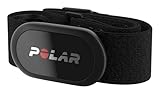
The Polar H10 remains a top choice for accuracy during explosive drills and fast changes of direction. It is a chest strap that locks in a stable signal for both short sprints and long bullpen sessions.
- Sensor type: Chest strap with ECG-grade signal
- Connectivity: Bluetooth and ANT Plus, multi-device pairing
- Battery: Coin cell, months of life
- Storage: Onboard memory for workouts without a phone
- App support: Works with Polar Beat and third-party apps
Why it helps: Highly accurate during sprints, base running, catcher pop-ups, and rotational hitting drills. Consistent readings allow precise interval timing and recovery tracking.
Best for: Players and coaches who want the most reliable numbers for high-intensity sessions and repeated speed work.
Key highlights for baseball: The strap stays secure when sliding or diving. The signal remains stable through sweat and upper-body rotation. Onboard storage is helpful when phones stay in the dugout.
Potential downsides: Some players need time to adjust to chest straps. Be sure to wet the electrodes before use to avoid signal dropouts early in a session.
Setup tip: Position the strap just below the chest line and tighten enough to avoid bounce. Rinse the strap after practice to extend its life.
2. Garmin HRM-Pro Plus
The HRM-Pro Plus delivers excellent accuracy and strong connectivity. It also offers offline data sync and advanced metrics for those who cross-train with running or conditioning workouts.
- Sensor type: Chest strap with ECG-grade signal
- Connectivity: Bluetooth and ANT Plus, multi-device support
- Battery: Coin cell, long battery life
- Storage: Offline workout storage and automatic sync
- App support: Garmin ecosystem plus third-party apps
Why it helps: Accurate and responsive readings during aggressive footwork, mound work, and conditioning sessions. The strap is low-profile and comfortable under a jersey.
Best for: Athletes who already use Garmin watches or want a seamless ecosystem for field and gym training.
Key highlights for baseball: Offline storage means you can leave your phone in the bag and still capture the full session. Data merges well with strength and conditioning logs.
Potential downsides: Extra running dynamics features are not essential for baseball, which can add cost without direct benefit if you will not use them.
Setup tip: Pair once with your main device and confirm dual-channel broadcast if you need to share the signal with a watch and a tablet simultaneously.
3. Polar Verity Sense Optical Armband
The Verity Sense is an optical armband worn on the forearm or upper arm. It trades a small amount of accuracy for comfort and easy wearing under sleeves. It performs better than wrist sensors during short bursts and is popular for players who dislike chest straps.
- Sensor type: Optical armband
- Connectivity: Bluetooth and ANT Plus
- Battery: Rechargeable, long session coverage
- Storage: Onboard memory for phone-free use
- App support: Works with Polar Flow and third-party apps
Why it helps: Comfortable for long practices and games. Stays out of the way when swinging and throwing. Strong performance compared with wrist-based wearables during fast changes of pace.
Best for: Players who want simple, comfortable tracking without a chest strap. Good for infielders and outfielders who move often but dislike chest gear.
Key highlights for baseball: Quick to put on and take off. Forearm placement is stable during fielding and baserunning. Memory mode captures entire practice without a phone on you.
Potential downsides: Optical sensors can lag slightly on sudden spikes compared with a chest strap. Make sure the band is snug to reduce motion-induced noise.
Setup tip: Wear on the fleshier part of the forearm or upper arm. Tighten enough to prevent bounce, and keep the sensor clean for best signal.
4. Wahoo TICKR X
The TICKR X is a dependable chest strap known for stable connections, good battery life, and broad app compatibility. It is light, simple, and well-suited to team environments.
- Sensor type: Chest strap with ECG-grade signal
- Connectivity: Bluetooth and ANT Plus
- Battery: Coin cell, long battery life
- Storage: Offline workout capture
- App support: Works with Wahoo app and many third-party apps
Why it helps: Reliable during max-effort drills and repeat sprints. Easy pairing and minimal fuss make it ideal for daily practice.
Best for: Players and coaches who want a proven chest strap that just works with most devices and apps.
Key highlights for baseball: Low-profile design stays out of the way under jerseys and chest protectors. Stable signal reduces data gaps during high intensity.
Potential downsides: The strap fit matters. If it is too loose, you may see spikes or drops during sharp turns. Tighten correctly and wet the electrodes before use.
Setup tip: Confirm firmware updates in the Wahoo app before the season. Replace the coin cell before playoffs or long tournaments to avoid surprises.
5. COROS Heart Rate Monitor Armband
The COROS armband provides an excellent balance of comfort and stability with better-than-wrist optical performance. It suits players who value ease of wear and reliable readings across long practices.
- Sensor type: Optical armband
- Connectivity: Bluetooth and ANT Plus
- Battery: Rechargeable, multi-day life per charge
- Storage: Broadcast to multiple devices, simple sync
- App support: COROS app plus third-party compatibility
Why it helps: Forearm placement reduces motion artifacts compared to wrist wearables. Comfortable for catchers and pitchers who prefer not to wear a chest strap under gear.
Best for: Players who want a forget-it-and-train armband that stays put through acceleration, deceleration, and rotational movement.
Key highlights for baseball: Snug strap and grippy interior keep the sensor stable during throws and swings. Dual radio support is useful if a coach collects data while you also log on a watch.
Potential downsides: Still not quite as fast as a chest strap for extreme spikes. Keep the strap clean and snug to maintain signal accuracy.
Setup tip: Place on the upper forearm for stability and minimal interference. Charge after practice days to keep a simple routine.
Chest Strap vs Armband for Baseball
Chest strap advantages
- Fast response to intensity spikes during sprints and shuffles
- More accurate during high-movement drills and changes of direction
- Coin cell batteries last months with little maintenance
Armband advantages
- More comfortable for some players, especially under hot conditions
- Quick on and off for practices, bullpen sessions, and batting cages
- Less pressure on the chest during slides or with protective gear
Bottom line: If you want the best data for high-intensity drills, use a chest strap. If comfort under gear is the priority, choose an armband from Polar or COROS.
How to Use Heart Rate Data in Baseball
Set simple training zones
Use a lab test or calculate an estimated max heart rate. Create at least three zones: easy aerobic, moderate, and hard. You do not need complex zone models to get value. Track how quickly your heart rate rises during sprints, how quickly it drops during rest, and how much time you spend in moderate or hard zones per session.
Manage work-to-rest ratios
Baseball training includes short bursts followed by rest. Use heart rate to ensure rest is long enough to hit quality on every rep. For speed work, wait until your heart rate returns to a target recovery value before the next sprint.
Track session load across weeks
Total time in moderate and hard zones can warn you of rising load. If you add extra batting practice or conditioning, log your totals. A steady rise is fine. Sharp spikes raise injury risk.
Game-day monitoring
For catchers and middle infielders, games can drive high cumulative load. Track average heart rate and time spent above moderate intensity. Use that info to adjust next-day conditioning or recovery.
Position-Specific Tips
Pitchers
- Monitor between-inning recovery. If heart rate stays elevated, lengthen rest or simplify warm-up.
- Use heart rate to control conditioning days. Keep high-intensity work short and crisp.
Catchers
- Expect higher session load due to constant squat and pop. Use days after heavy games for low-zone aerobic work and mobility.
- A comfortable armband can be easier to manage with gear.
Infielders and outfielders
- Track peak heart rate during first steps, sprints to balls, and base running.
- Use heart rate drop between reps to time rest for speed drills.
Hitters
- Heart rate spikes during high-effort rounds. Keep rounds short with full recovery to preserve swing quality.
- Monitor cumulative load during extended cage sessions.
Connectivity and App Tips
Dual broadcast for team environments
If a coach collects live data while you capture your own, use a monitor with Bluetooth and ANT Plus. Confirm that your strap or armband supports multi-channel broadcast.
Keep data in one main app
Pick one central platform to reduce data scatter. Sync all practices and workouts there for consistent tracking week to week.
Care, Fit, and Maintenance
Chest straps
- Moisten electrodes before each session for a clean signal.
- Rinse the strap with water after use and air dry. Do not wring.
- Replace the coin cell before a long tournament or playoffs.
Armbands
- Wear snug on the forearm or upper arm. Prevent bounce.
- Wipe the sensor after use. Wash the band regularly to reduce odor.
- Charge on a set routine so you do not run out during practice.
Troubleshooting Common Issues
Spiky or flat readings
- Chest strap dry or too loose. Wet electrodes and tighten slightly.
- Armband loose or dirty sensor. Clean and tighten the strap.
- Electromagnetic interference near powerful speakers or metal fences can cause temporary noise. Move a few steps away and check again.
Drops or disconnects
- Check battery level. Coin cells may last months but can fail without warning.
- Reduce paired devices if you see conflicts. Re-pair to the primary device first.
- Update firmware in the official app.
Quick Comparison by Use Case
- Max accuracy for sprints and rotation: Polar H10 or Garmin HRM-Pro Plus
- Most comfortable under gear: Polar Verity Sense or COROS armband
- Best all-rounder for mixed devices: Wahoo TICKR X
- Offline storage for phone-free practice: Polar H10, Garmin HRM-Pro Plus, Polar Verity Sense, Wahoo TICKR X
Beginner Checklist
- Pick a strap or armband that you will wear every day. Consistency beats perfection.
- Create simple zones and track time in moderate and hard each session.
- Use heart rate drop between reps to set rest times in speed work.
- Log session load across the week to avoid sudden spikes.
- Care for the strap or band after each use to maintain accuracy.
Final Thoughts
The right heart rate monitor can turn baseball practice from guesswork into measurable progress. Chest straps like Polar H10 and Garmin HRM-Pro Plus deliver the best accuracy for explosive movement. Armbands like Polar Verity Sense and COROS keep comfort high while still tracking the essential numbers. Wahoo TICKR X offers reliable performance across devices and training apps. Choose the option you will wear every day, build a simple routine, and let the data guide smart adjustments. Over a long season, small improvements in pacing, recovery, and load management add up to better performance when it counts.