

We are reader supported. When you purchase through links on our site, we may earn an affiliate commission. Also, as an Amazon affiliate, we earn from qualifying purchases.
Building a backyard or driveway diamond is easier than ever, but choosing the right base set matters. The wrong bases slide on contact, curl in the heat, or crack after a few games. The right set grips on grass or pavement, has a forgiving profile for safe slides, and lasts through a full season of family use. This guide breaks down what to look for in 2026 and reviews the best baseball base sets for home use, covering different budgets, surfaces, and age levels.
How to choose a baseball base set for home use in 2026
Know the base types first
Start with how you plan to use your field. Base design impacts traction, safety, and durability.
Throw-down bases are flat rubber pads you place on grass, turf, or pavement. They set up fast, store easily, and work for most home environments. Prioritize low-profile, beveled edges for safety and waffle bottoms for grip.
Waffle-bottom rubber bases are still throw-down, but with a grippy underside pattern to reduce sliding on grass or turf. These are ideal for backyards and parks.
Weighted bases add internal weight to resist movement. They are harder to find at entry-level prices, but excellent for curbside or turf training where stakes are not an option.
Anchored bases use ground anchors or pegs. They are the most stable and realistic but require digging or pounding stakes. Use only if you plan a permanent or semi-permanent backyard field and can store or protect exposed anchors safely.
Materials and build quality
Rubber composition varies. Budget sets use lighter rubber compounds that flex more and can warp in heat. Heavy-duty rubber holds shape longer and withstands cleat abrasion better.
Look for the following:
- Thick, durable rubber with reinforced corners
- Waffle or textured undersides for traction
- Beveled or tapered edges to reduce trip risk
- UV resistance to resist yellowing and cracking
Safety and stability
Home setups must be safe for mixed ages. Aim for low-profile bases that lie flat and resist curling. On hard surfaces, traction matters even more. Waffle bottoms help on grass; heavier rubber helps on pavement. For young players, avoid hard, raised pro-style bases without breakaway features.
Size and visibility
Regulation square bases are 15 inches per side. Youth and home sets sometimes run smaller for convenience. Smaller bases are fine for casual play, but full-size improves training realism. Bright white is the most visible; some sets offer high-visibility colors for driveway use.
Portability and storage
Throw-down sets are compact and light. Anchored sets and weighted options are heavier and bulkier. If you set up and tear down often, choose a portable set with flat stacking and, if possible, a storage bag.
Value, warranty, and long-term use
For frequent use, spend a little more on heavy-duty rubber. It pays off in seasons of play. For casual, seasonal use, a budget set with a waffle bottom delivers plenty of value. Check the seller page for warranty or return options.
Best baseball base sets for home use 2026
GoSports Baseball and Softball Bases 5-Piece Set — Best overall for most home fields
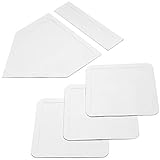
The GoSports 5-piece set balances durability, traction, and value. It includes home plate, first, second, third, and a pitcher’s rubber. The rubber compound is thicker than many entry-level sets, and the textured underside helps the bases stay put on grass and turf. The home plate has clear marking and a stout feel that resists curling under sun exposure.
Why it helps: The set covers a full practice layout, including a pitcher’s rubber, so you can run real drills and games. The grip pattern reduces sliding, while the low profile protects younger players.
Best for: Families that want one set to use on backyard grass, local parks, or turf; coaches who run youth practices; mixed baseball and softball training.
Potential downsides: On smooth pavement, any throw-down base can still slide if players hit the corner at speed. For driveway play, consider placing a thin non-slip mat under first base to increase friction.
Setup tip: Brush away loose grass clippings and level the ground before placing. On damp turf, step on each corner to seat the waffle pattern.
Franklin Sports 4-Piece Rubber Base Set — Best budget pick for quick backyard games
This 4-piece set is as simple as it gets: home plate plus first, second, and third. It is lightweight, portable, and fast to set up for casual play. The rubber pads lie flat and are easy for kids to carry and place. Despite the low price, the set holds up well for occasional games and tee ball training.
Why it helps: Minimal cost and quick setup make it easy to play more often. For families trying out the sport or organizing impromptu games, this checks every box.
Best for: Backyards, schoolyards, and parks; tee ball and youth players; casual pickup games where convenience wins.
Potential downsides: Lighter rubber slides more easily on dry pavement and can curl at edges after long exposure to sun. Store flat and out of direct heat to maintain shape.
Setup tip: On grass, rotate bases so the smooth side faces up and the textured side faces down to maximize grip. For driveways, a thin rubberized rug pad under each base increases stability.
CHAMPRO Waffle Bottom Rubber Base Set 5-Piece — Best traction and durability on grass

CHAMPRO’s waffle bottom design is a favorite for staying put on grass and turf. The rubber is thicker than most budget sets, with beveled edges that reduce stubbing and tripping. The five-piece layout includes a pitcher’s rubber, enabling realistic scrimmages and bullpens in the same session.
Why it helps: The waffle pattern and weight resist sliding on natural surfaces. That means fewer stoppages to reposition bases and a smoother game flow.
Best for: Home fields on grass, neighborhood park sessions, and coaches who want fewer resets during drills.
Potential downsides: Slightly heavier and bulkier to store than the cheapest alternatives. Not ideal if you carry your kit long distances.
Setup tip: After placing the bases, step on each edge briefly to imprint the waffle pattern into the turf. This improves traction for the session.
SKLZ Throw Down Base Set — Best for driveways and indoor gyms
SKLZ’s set is light, flat, and cleanly cut for smooth contact on hard surfaces. If your main field is a driveway, gym, or outdoor court, this set performs well and packs quickly. It is also useful for multi-sport setups where you bring gear to school gyms or community centers.
Why it helps: Low-profile pads lie flat on hard floors and support quick games with minimal fuss. For indoor winter training or quick driveway batting practice, this is an easy win.
Best for: Driveways, garages, gyms, turf complexes; families and coaches who set up and tear down often.
Potential downsides: On thick turf or bumpy grass, the light pads can shift more easily than heavy-duty waffle-bottom bases.
Setup tip: On polished gym floors, a quick wipe with a dry towel before use helps the rubber grip better.
Champion Sports Pro Style Molded Base Set with Anchors — Best for permanent backyard fields
If you are building a dedicated backyard diamond, anchored bases give the most realistic feel. Champion Sports offers pro-style molded bases with ground anchors and plugs. Once installed, the bases stay fixed, resist sliding, and handle aggressive play better than throw-down pads.
Why it helps: Anchors provide true game stability, ideal for older players and realistic infield work. No more resetting bases after slides.
Best for: Permanent backyard fields on natural grass, serious training setups, and households with experienced players.
Potential downsides: Requires digging holes for anchor sleeves. Improper installation can create trip hazards or drainage issues. Anchored bases are overkill for casual play and not suitable for pavement.
Setup tip: Measure, square, and level carefully. Backfill around sleeves with gravel for drainage, then top with packed soil. Use ground plugs when bases are removed to keep the area safe.
PowerNet Throw Down Baseball Softball Base Set — Best portable premium with full diamond layout
PowerNet’s throw-down set is built for portability and frequent transport to parks and practices. The rubber compound has a sturdy feel, and the bases sit flat with good edge finishing. The five-piece layout supports full infield drills and games.
Why it helps: Balanced durability, portability, and clean finish. It is a reliable option for coaches and families who play often across multiple locations.
Best for: Mobile coaches, travel practice, multi-venue families that move between yard, park, and turf.
Potential downsides: As with most portable sets, traction on smooth pavement is limited. Consider placing a thin non-slip layer under first base in fast-paced games.
Setup tip: Store flat and avoid stacking heavy items on top of the bases to prevent warping during warm months.
Quick comparison by use case
Backyard grass and turf
Choose waffle-bottom or heavier rubber. The CHAMPRO and GoSports sets are standouts for traction and lasting shape on natural surfaces.
Driveways and hard courts
Choose low-profile, flat pads. SKLZ is optimized for hard surfaces. To improve grip on pavement, add a thin rubber mat under the base most likely to be hit at speed.
Permanent backyard fields
Choose anchored sets. Champion Sports offers a stable, pro-style solution. Anchor sleeves require careful installation and routine checks.
Budget-friendly family play
Franklin’s 4-piece rubber set is the simplest route to start playing quickly and cheaply. It is a strong choice for tee ball and casual games.
How to lay out a home diamond the smart way
Distances that fit your space
Full youth baseball uses 60-foot base paths. If your yard is tight, scale proportionally rather than guess. Keep the same relative distances so throws feel natural.
- Small yard casual play: 45 to 55 feet between bases
- Youth baseball training: 60 feet between bases
- Softball practice: commonly 60 feet between bases
Place home plate first, then use a measuring tape to set first base. Use a carpenter’s square or the 3-4-5 method to square the base paths. From home to second is a straight line through the pitching rubber; that diagonal should be basepath length times 1.414. For 60-foot paths, home to second is about 84 feet 10 inches. Adjust proportionally for smaller diamonds.
Alignment and leveling
Level ground helps bases grip. Rake or brush small bumps, remove rocks, and seat each base by stepping on the corners. On turf, clear loose infill and place the bases on a clean surface.
Visibility and boundaries
Use chalk or field paint to mark base paths if you want more structure. For backyard-only play, a simple rope or cones can help younger players understand where to run and slide.
Safety checklist for home use
Lower the profile
Choose beveled, flat bases to reduce trips and ankle rolls. Avoid raised pro-style bases unless they are anchored properly and used by experienced players.
Manage surface traction
Grass and turf need waffle-bottom or heavier rubber. Pavement needs clean, dry pads. If traction is lacking, add a non-slip underlay beneath the busiest base.
Anchor carefully when permanent
If you install anchors, set sleeves below grade and ensure ground plugs are seated when bases are not in place. Inspect regularly for exposed edges or erosion.
Routine checks
Before each session, clear debris, reset any curled edges, and confirm bases lie flat. Replace any base that is cracked or permanently warped.
Care and maintenance to extend lifespan
Clean after dusty or muddy games
Wipe with a damp cloth and mild soap, then air dry. Avoid harsh solvents that can degrade rubber.
Store flat and out of direct sun
Heat can warp lighter rubber over time. Keep bases flat in a cool, dry space. Do not stack heavy items on top of them in a hot garage.
Rotate positions
If you see one base wearing faster, rotate them between first, second, and third to even out the load.
Frequently asked questions
Are throw-down bases safe for sliding
Yes, if they are low-profile with beveled edges and placed on appropriate surfaces. For younger players, teach controlled slides and avoid sliding on pavement. On grass, waffle-bottom designs reduce unexpected movement.
Can I use the same set for baseball and softball
Yes. Most home sets are multipurpose. Focus on full infield coverage and stable traction for your surface. A pitcher’s rubber is helpful for both sports.
Do I need regulation size for home use
Regulation size improves realism, especially for older players. For small yards or very young players, smaller pads still work well. Keep basepath distances proportional so throws and tags feel right.
Final recommendations
For most families and coaches, GoSports Baseball and Softball Bases 5-Piece Set is the most balanced choice in 2026. It is sturdy, grippy on grass, and includes a pitcher’s rubber for full layouts. If you want a low-cost starter kit, Franklin Sports 4-Piece Rubber Base Set delivers quick games without fuss. For the best traction on natural surfaces, CHAMPRO’s waffle-bottom set outperforms basic pads. If your field is a driveway or gym, SKLZ is the most convenient. Planning a permanent backyard field Use Champion Sports anchored bases and install them carefully. For portable, frequent play across different venues, PowerNet offers a reliable, full-diamond solution.
Pick the base style that matches your surface and how often you play. Keep them clean, store flat, and check traction before each game. Do that, and your home field will stay safe, playable, and fun all season long.