

We are reader supported. When you purchase through links on our site, we may earn an affiliate commission. Also, as an Amazon affiliate, we earn from qualifying purchases.
Baseball is a game of quick sprints, sudden stops, long innings on your feet, and lots of travel. That combination can beat up your calves and feet. Compression socks can help you feel fresher in the late innings, support your lower legs, and speed up recovery between practices and games. If you want to run the bases harder in the 8th than you did in the 1st, or if you just want your legs to feel better the day after a doubleheader, the right compression socks can make a real difference. This guide breaks down exactly what to look for and shares the best compression socks on Amazon for baseball players heading into the 2026 season.
Why Compression Socks Matter in Baseball
Baseball might not look like an endurance sport, but your legs say otherwise. You explode out of the box, charge bunts, plant and throw, and stand for long stretches. Graduated compression socks gently squeeze the lower leg, with tighter pressure at the ankle that gradually eases up the calf. This helps boost blood flow back to the heart, reduces swelling, and supports the muscles and tendons that do the heavy lifting while you play.
Players often notice less calf tightness late in the game, fewer shin splint flare-ups, and less swelling on travel days. Catchers and corner infielders who spend a lot of time in a partial squat also benefit from added calf stability. Pitchers who repeat explosive deliveries and outfielders who sprint at full speed will appreciate the extra support and reduced muscle vibration. Even if you are a recreational player, compression can help you recover faster between games and practices.
How to Choose Compression Socks for Baseball
Graduated Pressure Levels
The pressure level is measured in mmHg. For baseball, most players do well with 15–20 mmHg for travel and light support or 20–30 mmHg for performance and recovery. If you want a sock you can wear during games and also after, 20–30 mmHg is a strong all-around choice. If you are brand new to compression, starting with 15–20 mmHg can feel more comfortable as you adjust.
Materials and Breathability
Look for a nylon and spandex blend with mesh zones for ventilation. Good baseball socks should wick sweat quickly, dry fast, and resist odor. If you play in hot conditions, keep an eye out for thin knit designs with targeted cushioning under the forefoot and heel, not thick padding throughout that traps heat.
Fit and Length
Knee-high socks are most common for compression. They should reach just below the knee without folding over. A snug fit is essential, but your toes should have room to spread. The sock should not pinch behind the knee or feel like it is cutting off circulation. Many pro-grade socks size by calf circumference instead of just shoe size, which improves fit and effectiveness.
Baseball-Specific Needs
Baseball involves dirt, clay, and sliding. Socks that stand up to abrasion without sagging are worth it. A smooth toe seam helps prevent blisters, and a reinforced heel and arch support can stabilize your foot during lateral cuts and hard plants. If your team uses stirrups, you can use calf sleeves during games and full compression socks for travel and recovery so you keep the uniform look.
The Best Compression Socks for Baseball Players in the 2026 Season
All the models below are available on Amazon.com at the time of writing. Availability can change, and new colorways drop often, but these lines are consistently stocked and trusted by athletes.
CEP Compression Tall Socks 4.0
CEP is known for precise graduated compression and performance fit. The Tall Socks 4.0 deliver targeted pressure that is firm without feeling bulky. They use a durable, breathable knit with supportive panels around the arch and ankle. Sizing is based on calf circumference, so you get a true performance fit rather than a one-size-fits-all feel.
For baseball players, these shine during long games and high-intensity moments. The sock holds your lower leg steady, which can reduce calf fatigue in the late innings. The footbed has just enough cushion to protect against cleat pressure without getting hot. If you travel often for tournaments or play multiple games in a weekend, these also double as a recovery sock to reduce swelling overnight.
If you are between sizes, consider the tighter option for a performance fit. If you prefer a little more comfort for travel, choose the larger of the two sizes. CEP’s fabric holds compression well over time, so they tend to outlast cheaper options.
2XU Vectr Light Cushion Full Length Compression Socks
2XU builds their socks with targeted support zones and a design that keeps the sock in place all game. The Vectr Light Cushion model uses a lightweight knit with strategic cushioning and arch stabilization. It is thin where you want breathability and slightly padded where your foot needs protection in cleats.
Baseball movement often involves quick plants and pushes, and that is where 2XU’s foot stabilization helps. The sock hugs the arch and heel to reduce slippage inside the cleat. The graduated compression up the calf feels firm, and the seamless toe keeps hot spots away during long innings standing or squatting behind the plate.
These run performance-tight. If your calves are on the bigger side, measure carefully and consider sizing up for comfort. They are a strong pick for players who want a game-day sock that can also pull double duty for recovery wear.
Zensah Tech+ Compression Socks

Zensah’s Tech+ delivers a balanced, athlete-friendly compression sock with a soft touch. The knit is breathable, the toe seam is smooth, and the compression is well-distributed from ankle to calf. The sock holds up well through repeated washes and has a supportive feel without being overly thick.
On the field, the Tech+ gives you stable calves for sprints, sharp cuts, and repeated throws. The footbed offers light cushioning and good moisture management, which is helpful in warm weather or under thicker team socks. If you like a sock that feels supportive but not overwhelmingly tight, Zensah strikes a nice middle ground.
These are a smart pick for players who switch between cleats and turf shoes during training because the sock adapts well to both. They are also friendly for beginners who want a premium upgrade without a steep learning curve on sizing.
Physix Gear Sport Compression Socks 20–30 mmHg
Physix Gear Sport is one of the best values on Amazon for firm 20–30 mmHg compression. The sock provides solid squeeze through the ankle and calf, a comfortable footbed, and dependable durability at a reasonable price. Many athletes use them for both performance and recovery, and the brand offers a wide range of colors.
For baseball, the Physix Gear sock is great for players who want noticeable support at a budget-friendly cost. It helps reduce calf tightness after lots of base running or infield work. While it is not as surgically precise as some premium models, the performance is strong for the money, and the socks tend to last.
If you are unsure about compression and want to try high-pressure socks without a premium price, start here. Measure your calf to choose the right size, and expect a break-in feel for the first game or two.
SB SOX Compression Socks 20–30 mmHg
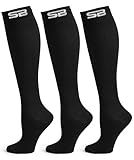
SB SOX are a popular budget option for athletes and travelers. They deliver firm graduated compression and a comfortable, breathable knit. For the price, they are surprisingly consistent, and many players keep a few pairs on rotation for training days and postgame recovery.
Baseball players who want solid compression for long tournaments will appreciate the reduced swelling and general leg freshness these provide. They are a touch less refined in paneling than pro-grade socks, but they get the core job done and are easy to replace if a pair gets chewed up by a long season on dirt and clay.
These are a strong pick for youth teams and budget-conscious players who still want real graduated compression. If you have very large calves, double-check the size chart.
MudGear Premium Compression Socks 15–20 mmHg
MudGear is known for rugged socks built for trails and obstacle races, and that toughness translates well to baseball. The 15–20 mmHg pressure range is ideal for players who want noticeable support without the intensity of 20–30 mmHg. The knit is durable, the foot is reinforced, and the socks resist snags and abrasion.
On the diamond, MudGear’s durability helps with repeated slides, dusty fields, and long practices. The socks stay put and breathe well. They are especially good for hot-weather tournaments where you want a sturdy sock that dries fast and will not sag by the fifth inning.
If you are new to compression or prefer a slightly lighter squeeze that you can wear all day, MudGear is an easy yes. Catchers and infielders who grind through a lot of reps will like the extra durability underfoot.
Danish Endurance Graduated Compression Socks
Danish Endurance offers a comfortable graduated compression sock that is well-liked for all-day wear. The pressure typically lands in the moderate range and feels smooth, with a breathable knit that works across different climates. The foot area is soft yet supportive, and the socks hold shape well over time.
For baseball, this is an excellent travel and recovery sock that can double as a light-performance option in games. If your calves get tight during long bus rides or flights, these help reduce swelling and leave your legs feeling fresher when you arrive. They are also a great pick for coaches and umpires who are on their feet all day.
If you prefer a softer feel instead of a tight, race-style fit, Danish Endurance is a comfortable choice that still gives you the benefits of graduated compression.
Bauerfeind Compression Sock Training
Bauerfeind’s training sock brings medical-grade know-how to sports compression. The sock offers strong calf stabilization and a secure, anatomical foot fit, with breathable zones to manage heat. It feels premium and supportive from ankle to knee.
Baseball players who want stability for repeated explosive movements will appreciate the way these hold the calf in place. The sock can reduce muscle oscillation during sprints and sharp fielding moves, which helps with late-game fatigue. The fit is snug yet comfortable when sized correctly.
This is a great pick for serious players looking for a long-lasting, supportive sock that performs in-game and postgame. Measure carefully and follow the size chart. If you are between sizes, the smaller option delivers a truer compression feel.
Crucial Compression Socks 20–30 mmHg
Crucial Compression delivers a firm 20–30 mmHg sock at a friendly price. The knit is straightforward and breathable, with a footbed that fits well in most baseball cleats. They are dependable, simple, and easy to replace, which is appealing if you go through socks fast.
On the field, these offer noticeable compression to help manage calf fatigue and swelling. They are not as specialized as high-end performance socks, but they provide solid support. For teams looking to outfit many players with compression, the cost-to-performance ratio is strong.
If you want affordable, firm compression and do not need premium bells and whistles, Crucial Compression is a sensible buy that holds up through the season.
How to Size Compression Socks Correctly
Compression works only if the fit is right. Start by measuring your calf at its widest point. Compare this number to the brand’s size chart. Some brands also consider ankle circumference and shoe size, but calf measurement is the priority. If your calf is near the upper limit of a size and you want a game-day tight feel, you can choose the smaller option. If you plan to wear the socks for travel or have sensitive skin, the larger option may be more comfortable.
Your socks should feel snug at the ankle and supportive up the calf, with no sharp pinching behind the knee. Toes should not feel cramped, and the sock should not roll at the top. If your lower leg goes numb or tingles, the sock is too tight. When in doubt, start with moderate compression and step up once you are comfortable.
Compression Socks vs Sleeves for Baseball
Some baseball players like calf sleeves so they can wear their usual baseball socks or stirrups. Sleeves provide calf compression but do not support the foot or ankle. Full socks give you calf compression plus arch support, a secure heel, and better blister prevention. If you love your game socks, you can use sleeves in games and full compression socks for travel and recovery. If you want the most complete support during play, full compression socks are the better choice.
When to Wear Compression for Best Results
During Games and Practices
Wear compression socks for practices, scrimmages, and games when you want lower-leg stability and a steady feel. They help most with repeated sprints, sharp cuts, and long innings. Many players like 20–30 mmHg for on-field use because the support is noticeable.
After Games and Overnight
Compression right after a game can reduce swelling and support faster recovery. Some players wear 20–30 mmHg for a couple of hours postgame, then switch to a softer pair or nothing overnight. Others prefer moderate 15–20 mmHg for the whole evening. Try both and see what helps your legs feel best the next day.
Travel Days
Long bus rides and flights can make your lower legs swell. Wear compression during the trip and for an hour or two after you arrive. Stay hydrated and move around when possible. Your calves will thank you when you hit warmups.
Care and Durability Tips
Turn socks inside out before washing. Use cold water and mild detergent. Avoid fabric softeners, which can damage the fibers and reduce compression. Air dry if possible. Heat can break down elastic over time. Rotate multiple pairs so each one rests between wears. Replace your socks when they lose their snap, slide down, or feel noticeably looser. Many athletes replace heavily used pairs every season; others get longer life by saving firm pairs for games and using older ones for travel.
Position-Specific Advice
Pitchers
Look for strong calf support and a secure heel to handle repeated pushes off the rubber. A smooth, thin footbed helps your plant foot feel the mound without extra slippage. CEP, 2XU, and Bauerfeind are excellent for stability during your delivery.
Catchers
Catchers spend innings in a squat and explode from a stance to throw. You need a sock that breathes well and resists sagging. A smooth toe seam is essential to avoid irritation. Zensah and MudGear are durable choices that keep their shape when you are up and down all game.
Infielders
Quick first steps and side-to-side movements demand a secure arch and heel. A lightweight knit that still supports the calf is ideal. Consider 2XU Vectr for its foot stabilization or CEP for its precise compression and breathable design.
Outfielders
Outfielders make long sprints at full speed. Firm compression reduces muscle vibration and fatigue during late-game runs. CEP Tall Socks 4.0 or Physix Gear Sport 20–30 mmHg are great for strong support without bulk.
Base Runners
If stealing bags is your calling card, you need a sock that feels fast and stays put. A snug, no-slip heel and thin, breathable foot are key. 2XU Vectr and CEP Tall Socks both lock in the foot while keeping calves fresh.
Budget vs Premium: What Actually Changes
Premium socks like CEP, 2XU, Zensah, and Bauerfeind give you more precise compression, refined paneling, and longer-lasting elasticity. They often size by calf circumference and use advanced knits that breathe better. Budget socks like SB SOX, Physix Gear, and Crucial Compression deliver real graduated compression at a lower price. The fit is less tailored, and the compression may soften sooner, but they do the job, especially if you are new to compression or need multiple pairs for a long season.
If you are a serious player who wants maximum performance and longevity, premium is worth it. If you are experimenting or outfitting an entire team, budget models are smart and effective. Many athletes use a mix: premium socks for games, value pairs for practice and recovery.
Common Mistakes and How to Avoid Them
Choosing Only by Shoe Size
Compression depends on calf fit. Always measure calf circumference. If a brand offers calf-based sizing, use it for a better result.
Wearing Socks That Are Too Tight
Compression should never cause numbness or tingling. If that happens, remove the sock and size up or try a lower mmHg.
Skipping Break-In
The first time you wear firm compression, your legs notice it. Try your socks during practice before a game. Give yourself a couple of sessions to adapt.
Bad Laundry Habits
High heat and fabric softener can ruin compression fibers quickly. Wash cold, air dry, and your socks will last much longer.
FAQs for Baseball Players
Can I wear compression socks during every game?
Yes, many players do. If you are new to compression, try them in practice first to dial in the fit. If your league or team has uniform rules, make sure your sock color and height comply.
Are compression socks legal in games?
In most leagues, yes, as long as they match uniform standards. If you are unsure, check your league’s uniform policy or ask your coach.
Do compression socks prevent shin splints?
They can help reduce shin stress by supporting muscles and improving circulation. Proper warmups, strength work, and good cleats are also important. If you have pain, talk to a medical professional.
How many pairs do I need?
Two to four pairs is a good start. Keep one premium pair for games, another for recovery and travel, and a couple of budget or rotation pairs for practices.
Final Buying Checklist for 2026
Pick a compression level that fits how you will use the socks. Go 20–30 mmHg for performance and recovery, or 15–20 mmHg for travel and daily comfort. Measure your calf and use the brand’s size chart, not just your shoe size. Choose a breathable knit with a smooth toe and targeted cushioning under the forefoot and heel. If you wear stirrups, consider calf sleeves for games and full socks for recovery. Wash cold, air dry, and rotate pairs to protect the elastic and maintain pressure.
Conclusion
Compression socks are a simple way to keep your legs fresher, your calves supported, and your recovery on track during a long baseball season. For 2026, you cannot go wrong with CEP Compression Tall Socks 4.0 for premium, precise support; 2XU Vectr for foot stabilization inside cleats; and Zensah Tech+ for a softer, breathable performance feel. If you want strong performance without the premium price, Physix Gear Sport and SB SOX give you 20–30 mmHg that works. For durability and a lighter squeeze, MudGear is excellent, and Danish Endurance is a smart travel companion. Bauerfeind brings pro-level stability for players who want a top-tier training sock.
No matter your position, the right compression sock can help you move better in the late innings and bounce back faster for the next game. Measure carefully, pick a pair that matches your needs, and give yourself a practice or two to adjust. Your legs will feel the difference when it counts.