
We are reader supported. When you purchase through links on our site, we may earn an affiliate commission. Also, as an Amazon affiliate, we earn from qualifying purchases.
Every MLB hitter searches for repeatable feel. Bat speed, barrel control, and swing decisions start in the hands. That is why so many pros reach for sheepskin batting gloves. They want maximum grip with minimum bulk, a natural touch that tells them where the barrel is without squeezing the handle to death. If you are wondering why sheepskin tops the list for elite hitters, this guide breaks it down in clear steps you can apply to your own game.
Introduction
Batting gloves look simple, but material choice changes how your hands talk to the bat. Sheepskin, especially cabretta leather from hair sheep, is a favorite across MLB clubhouses. Players pick it for a crisp blend of friction, feel, comfort, and control. The trade-off is durability, but the performance benefits often win. If you are a new player, a coach, or a gear nerd aiming to squeeze out more consistency, understanding sheepskin will help you make better choices.
What Sheepskin Means in Batting Gloves
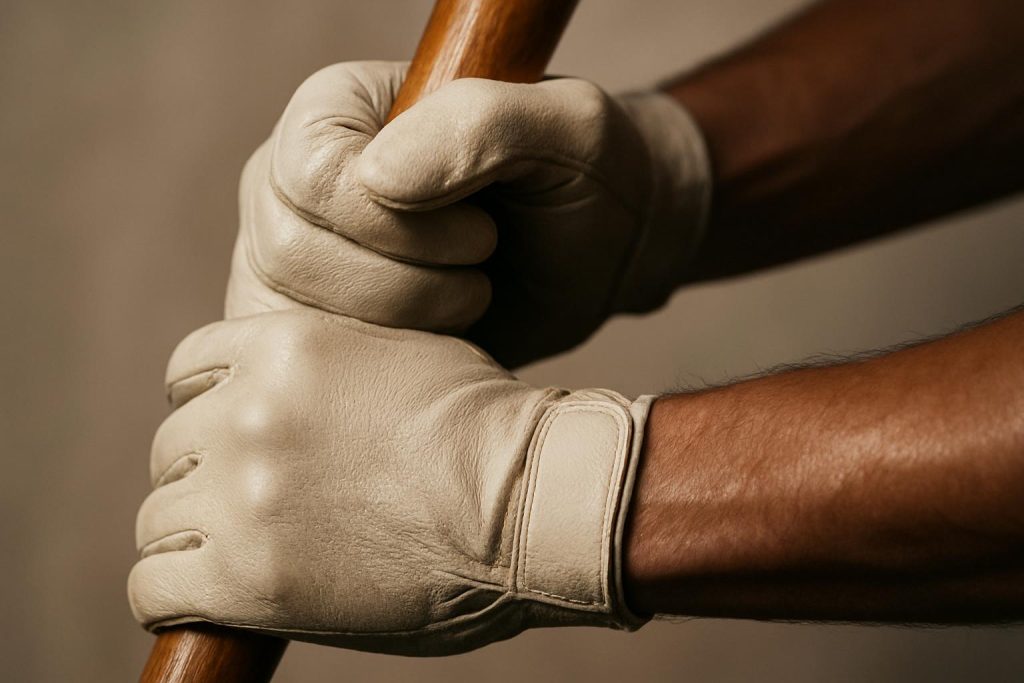
When glove makers say sheepskin, they often mean cabretta leather. It comes from hair sheep with fine, tight grain. The leather is thin, soft, and strong for its weight. This combination matters in the box. Thin leather brings the bat closer to the hand. Fine grain raises friction without thickness. Softness molds to the finger curves and spreads pressure points.
Compared with cowhide, sheepskin is lighter and more supple. Compared with goatskin, it is typically smoother and thinner. Compared with synthetic leather, it moves and breathes more like skin. That mix is why hitters who demand top-tier feedback stick with sheepskin.
The Core Reason Players Choose Sheepskin
Pros want grip without death grip. Sheepskin gives friction at low pressure and a clean, connected feel. This lets hitters keep forearms relaxed longer, start the move to the ball on time, and adjust mid-swing. A material that holds the handle with light force helps reduce casting, rolling over, and late, frantic squeezes that waste bat speed.
High Friction With Light Pressure
Sheepskin’s fine grain creates micro contact points on the bat handle. The surface grips with less squeezing, which lowers forearm tension. Less tension supports faster, more efficient turns. It also reduces the urge to choke the bat when nerves rise. When the handle stays put with gentle pressure, the swing path stays cleaner.
Tactile Feedback and Barrel Awareness
Hitters care about micro feedback. Did the handle roll a millimeter? Did the bottom hand lift too soon? Thin sheepskin transmits that information. The palm does not swim in padding, so the brain reads the bat. That awareness helps with adjustments during at-bats and supports consistent barrel entry across different pitch speeds.
Secure Grip With Pine Tar and Resin
Within the rules, players use grip aids such as pine tar or modern bat wraps. Sheepskin pairs well with these surfaces. The leather’s fine grain and slight natural tack capture residue evenly, so the grip does not feel blotchy or slippery. The result is stability without a gluey sensation that could slow the release of the barrel.
Comfort That Protects Hands
Comfort is not just about luxury. It changes how long a hitter can practice, how they hold the bat in late innings, and whether blisters break focus. Sheepskin brings soft hand feel with a close fit, which helps prevent hotspots before they form.
Softness Reduces Hotspots
The natural softness of sheepskin spreads pressure across the palm and fingers. That helps reduce rubbing at the thumb pad, heel of the hand, and along the index finger. Many players who switch to sheepskin report fewer raw spots after high-rep batting practice and fewer tears in tough weather days.
Natural Stretch Wraps the Hand
Sheepskin has slight elastic give. This allows the glove to hug curves without bunching. A wrapped, even feel means fewer folds and less seam bite, both common sources of irritation during long sessions. It also helps the glove recover shape after taking them on and off between innings.
Seam Layout and Pressure Points
Many sheepskin models use strategic seam placement and pre-curved fingers. The thin leather accepts these patterns well. When seams sit away from the palm’s high-friction zones, the glove slides less and the bat stays centered in the fingers. That protects skin and keeps the swing repeatable.
Moisture and Temperature Management
Games and cages get sweaty. Heat and humidity can wreck grip if the palm gets slick. Sheepskin manages moisture in a way synthetics often cannot match.
Sweat Absorption Without Slip
Sheepskin absorbs a thin film of moisture into the fiber structure. This helps prevent sweat pooling on the surface, which would cause slip. The glove stays tacky rather than greasy. Some models add micro perforations to speed airflow, but the base leather already handles moisture well for short windows of heavy use.
Performance in Heat and Cold
In heat, sheepskin stays pliable, which helps touch and grip. In cold, it stiffens less than thicker hides, so hitters keep hand feel. Many pros carry multiple pairs to rotate by weather or inning, but the baseline stability of sheepskin across temperatures is a key draw.
Dry Time and In-Game Swaps
After soaking, every leather needs time to dry. Sheepskin dries reasonably fast when wiped and aired. Because moisture management matters pitch to pitch, players often swap to a fresh pair mid-game. With a simple rotation, the performance feel remains consistent.
Durability and Trade-offs
There is no free lunch. Sheepskin shines in feel and grip but is not the longest-lasting leather under heavy tar and sweat. Pros accept this because performance per swing matters more than lifespan per glove.
Sheepskin Lifespan in Pro Use
At the MLB level, a sheepskin pair might last anywhere from a few games to a few weeks depending on swings, weather, and substances on the handle. Many pros rotate several pairs to slow wear. Amateurs who hit fewer balls or use less tar usually get longer life.
Common Failure Points
Wear often shows first at the heel of the palm where the bat shifts during load, and on the thumb pad from constant pressure. Small surface cracks can appear after cycles of wet tar, sweat, and dry. Stitching around high-stress panels can loosen late in life, especially if the glove is yanked off by the fingers rather than peeled gently.
Reinforcements and Hybrids
Some models add palm overlays, thumb wraps, or hybrid panels to balance feel and toughness. Thin sheepskin remains in the key contact areas, while reinforced zones handle abrasion. These details extend usable life without giving up core sheepskin benefits.
Consistency and Routine
Hitting thrives on repeatable routines. Sheepskin supports that routine by feeling the same from swing to swing, and by interfacing predictably with tar, wraps, and sweat.
Repeatable Pre-pitch Grip
When a player sets the hands, the glove should seat the bat in the same pocket every time. The fine grain and thin profile of sheepskin lock the handle where the fingers want it with minimal adjustment. That speeds pre-pitch setup and frees mental capacity for pitcher timing.
Mental Confidence and Trust in Gear
Trust reduces noise in the brain. If a hitter knows the glove will not slip, snag, or bunch, the mind stays on approach and plan. Sheepskin’s reliable feel is one less variable during high-stress at-bats.
Alternatives and Why Many Pros Still Pick Sheepskin
There are valid reasons to consider other materials. Some players prefer synthetics or thicker hides for durability or budget. Many still land on sheepskin after testing.
Synthetic Leather Comparison
Synthetics are durable, easy to clean, and often cheaper. They hold shape and resist tearing. The trade-off is feel. Many synthetics are thicker and less breathable, which can reduce tactile feedback and increase palm sweat. If you value maximum longevity over top-tier touch, synthetics can work. If barrel awareness and low-pressure friction are priorities, sheepskin usually wins.
Goatskin and Cowhide Comparison
Goatskin offers a tough, pebbled grain and good value. It is more durable than sheepskin at the same thickness but not as smooth. Cowhide is sturdy and can be comfortable when thinned, yet tends to be heavier. Both have a place, especially for players who tear gloves fast. For most hitters chasing premium feel, sheepskin remains the top pick.
Barehanded Hitting
A small number of hitters go without gloves to maximize feel. This gives direct contact but increases blister risk and makes sweat management difficult. Sheepskin acts like an extension of the skin, delivering similar touch with better protection and grip stability.
Fit, Sizing, and Break-in
The best material fails if the fit is off. Proper sizing unlocks sheepskin’s benefits.
How Batting Gloves Should Fit
Fit should be very snug, like a second skin. There should be no loose material in the palm or fingertips. You should make a full fist without seam bite. The closure should be firm but not cut circulation. Expect a small amount of give as the leather molds to your hand during the first session.
Break-in Timeline
Sheepskin breaks in fast, often within one practice. The leather relaxes to your finger curves and palm lines. If a glove feels baggy on day one, it is too big. Start snug and let it open slightly with use.
When to Replace
Replace when the palm shows slick shine, when cracks open in the main contact zones, or when grip feels inconsistent even after cleaning. If the glove starts to twist on the handle during swings, it is past its prime.
Care and Maintenance
Simple care extends life and preserves feel. A clean, dry sheepskin palm grips better and tears less.
Cleaning Sweat and Tar
After play, wipe the palm gently with a damp cloth to remove sweat and surface tar. Do not soak the glove. Avoid harsh cleaners that can strip natural oils. A light wipe keeps pores clear so the leather maintains friction and breathes.
Storage Between Games
Air-dry the gloves on a flat surface away from direct heat or sun. Store them flat or with light pressure to maintain shape. Do not crumple them at the bottom of a bag. Consistent shape means consistent feel in the next game.
Avoiding Damage
Peel gloves off gently from the wrist instead of yanking at the fingertips. Do not leave them covered in tar for days. Keep them away from radiators and car dashboards, which can dry and crack the leather. Basic care keeps the palm supple and strong.
Cost and Availability
Sheepskin gloves range from budget-friendly to premium. Higher-end models use finer grades of cabretta and tighter stitching. Many MLB players use mainstream retail models with minor custom tweaks. The key is not the logo. It is matching leather quality and fit to your needs.
Price Tiers
Entry-level sheepskin models offer real leather feel at accessible prices, sometimes with synthetic backs to control costs. Mid-range models add better grade palms and smarter reinforcements. Premium lines focus on top cabretta selection, refined patterns, and improved closures that stay secure without bulk.
MLB Brand Models
Several major brands offer sheepskin batting gloves that mirror pro use. Across brands, the differentiators are palm grade, fit pattern, seam placement, and reinforcement strategy. Try on options and compare how the palm grips a taped or wrapped bat handle. The right pair will feel secure even with a light squeeze.
Who Benefits Most From Sheepskin Gloves
Sheepskin helps many hitter types. If your game relies on clean barrel entry and quick adjustability, the leather’s feel and friction pay off.
Power Hitters and Contact Hitters
Power hitters like that they can stay loose and let the barrel fly. Contact hitters like the precise touch for fine-tuned bat paths. Both value the way sheepskin keeps the handle stable without over-gripping.
Youth and Amateur Players
New players gain protection against blisters and a fast break-in, which keeps practice productive. The gloves teach a sound grip because the bat feels present in the fingers, not lost in padding. For most youth and high school hitters, a snug sheepskin pair is the best starting point.
Quick Buying Checklist
Pick a size that feels tight with no palm slack. Look for smooth, fine-grain cabretta in the palm. Check seam placement away from the main contact zones. Test grip on your actual bat with your usual wrap or tape. Confirm the wrist closure holds without pinching. If you can swing with light pressure and feel locked in, you have a winner.
Why MLB Players Keep Choosing Sheepskin
Pro hitters choose sheepskin because it blends the three traits that matter most in the box. It grips at low pressure. It delivers clean feedback. It stays comfortable under sweat and stress. The price is faster wear, but the reward is better control of the barrel during the swing decisions that decide at-bats.
Conclusion
If you want the same foundation as many MLB hitters, start with sheepskin batting gloves. The leather’s fine grain and softness give strong friction with a relaxed grip. You get touch and control without trading away comfort. Care for them, size them right, and replace them when the palm starts to slick. For most hitters, the performance gain per swing makes sheepskin the clear choice.
FAQ
Q: Why do MLB players prefer sheepskin batting gloves?
A: They prefer sheepskin because the thin, soft cabretta leather delivers high friction with light pressure, precise feel of the bat, better management of sweat, and comfort that prevents blisters, while accepting a trade-off in durability.
Q: Do sheepskin gloves work better with pine tar or bat wraps?
A: Yes. Sheepskin interacts well with legal grip aids like pine tar and with modern polymer bat wraps because the fine grain and slight natural tack hold residue evenly, creating a consistent, stable grip.
Q: How should sheepskin batting gloves fit?
A: They should fit very snug like a second skin, with no loose material in the palm or fingertips, a closure that is firm but not cutting circulation, and the ability to make a full fist without seam bite.
Q: How long do sheepskin batting gloves last?
A: At the pro level they often last a few games to a few weeks depending on swings, moisture, and tar, with common wear at the palm heel and thumb pad, while amateurs can expect longer life with rotation and basic care.
Q: How do you care for sheepskin batting gloves?
A: Wipe sweat and tar gently with a damp cloth, air-dry flat away from heat and sun, store flat to maintain shape, avoid soaking and harsh cleaners, and peel them off gently from the wrist.