
We are reader supported. When you purchase through links on our site, we may earn an affiliate commission. Also, as an Amazon affiliate, we earn from qualifying purchases.
Metal spikes or molded cleats. The choice affects traction, acceleration, stopping control, injury risk, comfort, and even eligibility on certain fields. For the 2026 season, materials and outsole geometry continue to improve, but the core tradeoffs remain. This guide breaks down how each option performs, who benefits most, and how to choose with confidence. Clear comparisons, surface-by-surface advice, and tested product picks keep the decision simple and practical.
What Changed For 2026
Two trends shape the 2026 season. First, field surfaces are evolving. Many programs maintain firmer infields and hybrid turf systems to reduce rainouts, which alters how spikes interact with the ground. Second, brands refine midsole foams and plate stiffness to deliver better energy transfer with less foot fatigue. The result is more nuanced differences between metal and molded, not a simple one-size-fits-all answer.
Rules still matter. Many youth and some school leagues restrict metal. Certain turf facilities ban metal as well. Always check league and facility rules before buying.
Metal Spikes vs Molded Cleats: The Core Differences
Construction and Geometry
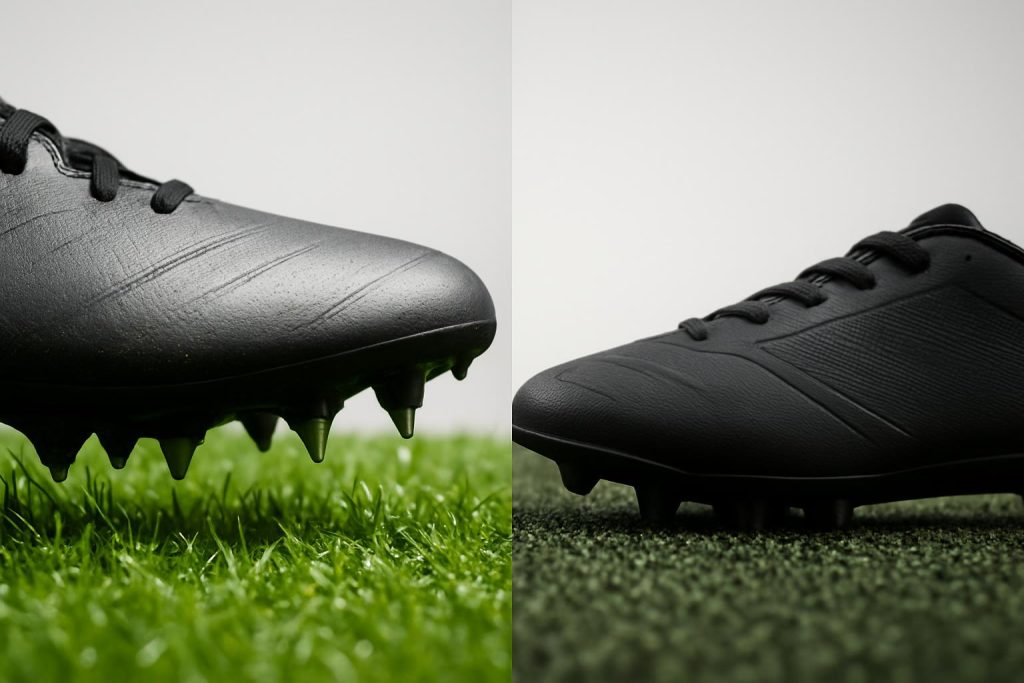
Metal spikes use thin, sharp metal studs that penetrate firm dirt and short grass with precision. Molded cleats use rubber or TPU studs integrated into the outsole. They are thicker and often more numerous, spreading load across a larger surface.
Traction Profile
Metal bites into hardpack and clay for high-fidelity traction. It rewards exact foot placement and strong acceleration, braking, and planting. Molded offers broader contact that excels on softer dirt, damp grass, and turf. It gives controlled release to reduce torque spikes during pivots.
Weight and Comfort
Modern metal plates are lighter than in past seasons, but molded models still tend to feel plusher underfoot on long days. Midsole foams and insole tech vary widely by brand and model, so weight alone does not decide comfort. Plate stiffness also influences how your feet feel late in games.
Durability and Upkeep
Metal studs can wear down if used on concrete or hard surfaces outside the field. Molded studs handle walk-ups better but can round off on abrasive turf or in heavy use. Both types benefit from gentle cleaning and drying between games.
Performance Analysis By Movement
First Step and Acceleration
Metal excels when you need max bite in a compact footprint. Lead-offs, steals, and initial sprints from the box feel explosive on firm infields. Molded closes the gap on softer or damp surfaces, where a broader stud pattern prevents sinking and provides consistent push-off.
Cornering and Lateral Cuts
Metal provides crisp edge control on hard dirt and short grass. It holds lateral line well during sharp direction changes. Molded shines when the surface has give. The wider base reduces over-penetration and limits abrupt ankle torque when the ground is soft or uneven.
Stopping and Braking
On hard or semi-firm surfaces, metal delivers short stopping distances and stable deceleration. On soft or wet turf, metal can dig too aggressively and feel grabby. Molded is more predictable on turf and wet grass, with smoother release during emergency stops.
In the Box and on the Mound
Hitters who drive through the back foot on firm clay often prefer metal for stable torque transfer. Pitchers on firm mounds also benefit from metal traction during push-off and landing, especially for high-velocity deliveries. On softer mounds or turf mounds, molded can reduce deep ruts and lower stress on the front knee during landing.
Outfield Sprints and Transitions
Metal helps with hard breaks and accurate foot placement on short, dry grass. Molded wins on wet grass or turf, where smoother transitions and better surface compliance reduce slips and leg fatigue late in games.
Who Should Choose What
High School and Below
Many leagues limit or ban metal for certain age groups. If metal is allowed, the choice should still factor field conditions and injury history. If unsure, molded offers safer compliance across most facilities and is easier for coaches to approve.
College and Pro
On maintained natural fields with firm infields, metal remains a top choice for precision traction. Position players who rely on explosive cuts and powerful first steps often choose metal. Pitchers and power hitters also benefit on hard clay. Molded is still valuable in wet weeks, on turf, and for players managing joint load.
Youth and Recreational
For development and comfort, molded cleats make sense. They reduce sharp torque events and are friendlier on a variety of surfaces. They also minimize accidental damage to turf and reduce maintenance issues for facilities.
Fastpitch and Slowpitch Softball
Fastpitch players who compete on firm dirt and value quick launch often prefer metal for crisp footing, where rules permit. Slowpitch and recreational leagues often lean molded because of mixed surfaces and rule simplicity.
Surface and Weather Breakdown
Dry Hard Dirt and Short Grass
Metal offers unmatched bite and precision. It is the traction benchmark when the ground is compact and consistent. Molded is workable, but stopping distances may be longer and edge control less defined.
Damp Clay and Soft Infields
Molded reduces over-penetration and keeps movements predictable. Metal can dig too deep and increase ankle torque if the clay is soft enough to rut easily.
Wet Grass
Molded performs more consistently as water slicks the blade surface. The broader stud base limits slips without creating sudden lock-in. Metal may feel inconsistent if studs cut through to muddy layers and then release abruptly.
Turf and Hybrid Systems
Follow facility rules. Most turf complexes forbid metal. Molded or turf-specific patterns protect the field, maintain grip, and reduce injury risk. Even when not banned, metal is not a good fit for modern turf systems.
Injury Risk and Biomechanics
Foot and Ankle
Metal increases ground engagement and can magnify ankle torque if footwork is sloppy or the surface is soft. Molded provides a smoother release profile, reducing abrupt stops in rotational movements.
Knee Load
Turning on a fully engaged metal spike can transfer rotational stress up the chain. Molded spreads contact and encourages a slightly earlier release, which can ease knee load during pivots. Individual history matters. Athletes with prior knee injuries often lean toward molded on soft ground and turf days.
Blisters and Pressure Points
Plate stiffness, insole quality, and sock choice drive comfort. Metal and molded both can cause hot spots if the fit is off. Trim nails, use moisture-wicking socks, and adjust lacing tension near pressure areas to reduce friction.
Ownership Cost and Upkeep
Replacement Cycle
High-use players often replace cleats each season. Metal spikes wear when used on concrete or gravel paths. Molded studs round off on turf and abrasive infields with heavy sliding. Rotate in sandals or sneakers for travel and warm-ups off the field.
Cleaning and Storage
Use a soft brush to remove clay and grass after each game. Air dry at room temperature. Avoid direct heat sources that can warp plates and harden uppers. For metal, periodically check studs for bending or excessive wear.
2026 Picks: Metal and Molded Cleats That Perform
These models represent reliable traction, updated cushioning, and strong field feedback for the 2026 season. Focus on fit and rules first, then match traction style to your surface and role.
New Balance 3000 V6 Metal Baseball Cleat
Midsole cushioning and a responsive plate make this a balanced metal option for all-day use. The stud layout gives confident bite on firm infields and short natural grass. The upper supports hard cuts without feeling stiff.
Why it helps: Stable metal traction with a forgiving ride that reduces late-game foot fatigue.
Best for: Position players on firm dirt, hitters needing solid back-foot drive, and pitchers who want predictable push-off and landings on maintained mounds.
Potential downsides: Not suitable for turf-restricted complexes. On very soft dirt, studs can dig more than some players prefer.
Fit notes: Runs true for many feet, but wide options are a plus if you need toe room.
Nike Force Zoom Trout 9 Elite Metal
Designed for explosive play, this model features a responsive underfoot feel and secure lockdown. The metal layout favors aggressive acceleration and precise braking on firm surfaces.
Why it helps: Strong energy return and traction for quick bursts and sudden stops.
Best for: Outfielders with long sprints and sharp breaks, and infielders who demand crisp footwork on compact dirt.
Potential downsides: Can feel firm on softer surfaces. Not for turf-only venues where metal is disallowed.
Fit notes: Structured lockdown suits narrow to medium feet. Consider thicker socks if between sizes.
Mizuno 9-Spike Advanced Franchise Molded
This molded classic is versatile and comfortable. The stud array distributes pressure well and keeps traction consistent on softer dirt and wet grass. It remains a dependable choice for mixed conditions.
Why it helps: Predictable grip with lower torque spikes on soft fields. Good comfort-to-weight ratio.
Best for: Players who face varying field prep, youth and school programs, and anyone who needs a molded all-rounder.
Potential downsides: On very hardpack, braking distance can be longer than with metal.
Fit notes: Generally true to size with a forgiving forefoot. Stable for long doubleheaders.
Under Armour Leadoff Low RM Molded
A budget-friendly molded option that does not skimp on the essentials. Cushioning is straightforward and the outsole works well on turf and damp grass. It is a reliable team choice when rules or facilities rule out metal.
Why it helps: Simple, durable, and compliant for most fields including turf.
Best for: Youth, practice days, turf-heavy schedules, and players seeking value without sacrificing basic traction.
Potential downsides: Less premium cushioning and plate pop than top-tier lines.
Fit notes: Medium fit with adequate toe room. Easy break-in for new players.
Adidas Adizero Afterburner 9 Metal
Lightweight feel with a focus on speed. The metal configuration supports fast acceleration and agile cuts on firm dirt and short grass. The upper keeps weight down while holding the foot securely.
Why it helps: Lightweight metal performance for players who want immediate bite without bulk.
Best for: Speed-first players, base stealers, and outfielders on maintained natural surfaces.
Potential downsides: Minimalist feel may be too lean for players who want plush cushioning.
Fit notes: Tends toward a performance fit. If you prefer extra width, check size charts carefully.
New Balance 4040 V7 Molded Baseball Cleat
Combines cushioning with a molded plate that handles turf and soft dirt without surprises. A strong choice for programs that move between fields and for players managing ankle or knee load across long schedules.
Why it helps: Consistent molded grip and stable underfoot platform for multi-surface play.
Best for: Utility players, turf-heavy teams, and those prioritizing comfort over maximum bite.
Potential downsides: Less aggressive on firm clay compared to metal options.
Fit notes: Good heel hold and steady arch support. Wide sizes available in many colorways.
Decision Framework: Choose Based on Surface, Role, and Rules
If your infield is firm and you rely on explosive first steps
Pick: Metal spikes
Why it helps: Maximum bite for acceleration, stops, and precise edge control.
Best for: Middle infield, corner infield with quick reaction needs, aggressive base running.
Potential downsides: Not allowed on many turf fields and can be grabby on soft dirt.
If you play on turf or mixed conditions all week
Pick: Molded cleats or turf-specific patterns
Why it helps: Compliant with facility rules and smoother release on wet grass or soft dirt.
Best for: Programs with frequent turf games, youth leagues, rotating practice fields.
Potential downsides: Less bite on compacted clay.
If you prioritize joint health over maximum bite
Pick: Molded cleats
Why it helps: Reduced torque spikes during pivots and stops.
Best for: Players with ankle or knee history, catchers on soft days, pitchers on variable mounds.
Potential downsides: Some loss of edge clarity in firm conditions.
If you are a pitcher on firm, maintained mounds
Pick: Metal spikes
Why it helps: Secure push-off and stable landings with less slippage.
Best for: Velocity focus and consistent mechanics on clay mounds.
Potential downsides: Can dig too deep on soft mounds and increase front knee stress.
Fit, Sizing, and Break-In Tips
Measure and Match the Last
Try models with different lasts if possible. A secure heel and midfoot reduce blisters. Ensure toes can splay slightly during hard pushes. If between sizes, consider sock weight and orthotics.
Lace Strategy
Use a runner loop at the top eyelets to lock the heel without choking the forefoot. For hotspots, skip an eyelet over the pressure area to relieve tension.
Sock and Insole Choices
Moisture-wicking socks reduce friction and heat buildup. Some players swap in performance insoles for arch support or extra cushioning. Test at practice before game use.
Break-In Plan
Wear at practice for short sessions first. Perform acceleration, cuts, and stops at 70 percent speed, then progress. Check for rubbing and adjust lacing to fine-tune fit. Clean and air dry after each use during the break-in period.
Coaches and Program Buyers
Policy and Compliance
Set clear rules that match league policy and facility requirements. If the schedule includes turf and natural grass, molded or dual-setup footwear avoids last-minute issues.
Budget and Rotation
When possible, a rotation helps. One molded pair for turf and soft days. One metal pair for firm dirt. Players who only own one pair should lean toward molded if compliance is a concern.
Team Fit Sessions
Organize try-ons early. Confirm size ranges, width options, and orthotic compatibility. Encourage players to test movement patterns rather than only walking tests.
Are Metal Spikes Better Than Molded Cleats in 2026
Better depends on surface, role, and rules. On firm dirt and short grass, metal spikes deliver sharper traction for acceleration, precise cuts, and controlled braking. For turf, wet grass, and soft dirt, molded cleats provide predictable grip with smoother release and broader compliance.
Many advanced players carry both and rotate based on conditions. If you choose one, match your most frequent surface and your league’s restrictions. Prioritize a secure fit, balanced cushioning, and an outsole geometry that matches your movement style.
Conclusion
The 2026 performance landscape favors a smart, context-driven choice. Metal spikes still rule on firm natural surfaces for players who want max bite and fast reactions. Molded cleats remain the safe, versatile pick across turf, wet grass, and variable fields. Consider your schedule, the fields you use most, and your injury history. Then select a cleat with the right plate geometry, cushioning, and fit. The right decision is the one that makes every step predictable, so you can play fast, stop clean, and stay healthy all season.