

We are reader supported. When you purchase through links on our site, we may earn an affiliate commission. Also, as an Amazon affiliate, we earn from qualifying purchases.
Selecting batting cage net material is the most important decision you will make for safety, ball containment, and long-term cost. The right mesh, twine gauge, and treatment will handle real pitching speeds, rough weather, and thousands of impacts. The wrong choice frays early, sags, and costs you more in replacements. This 2026 guide breaks down materials, gauges, mesh orientation, weatherproofing, and real product examples so you can match a net to skill level, location, and budget with confidence.
Quick answer: match net type to your use case
Outdoor, year-round, mixed weather
Use nylon or premium HDPE with strong UV stabilization and a heavy gauge. Nylon lasts longest under load and temperature swings. HDPE handles moisture well and resists rot. For daily team use or high exit velocities, go heavier gauge with a reinforced impact panel.
Indoor-only, ceiling suspension
HDPE or nylon both work indoors. Aim for knotless or high-quality knotted netting to cut down on ricochet and abrasion with ceilings and walls. Lighter gauges are acceptable if usage is moderate and ball speeds are lower.
Youth and recreational
HDPE in #24 to #30 range covers casual hitting and soft toss with good affordability. Add a mid-size impact panel behind the plate if you use a machine.
High school, college, facility
Nylon in #36 to #60 range remains the standard for daily use and higher ball speeds. Reinforced borders and riblines help keep shape. Add a dense impact or baffle panel for machines and live BP.
Heavy machine use
Use nylon #42 or heavier with a replaceable impact panel hung loosely behind the main net. This concentrates wear on one section you can change out without replacing the entire cage.
Net materials explained for 2026
HDPE and polyethylene
HDPE and other poly-based nets dominate the value segment. They resist moisture, mildew, and rot, and they are light and easy to handle. With modern UV inhibitors, high-quality HDPE holds up well outdoors. For youth and moderate use, HDPE is reliable and cost-effective. For higher velocities, move to a heavier gauge or nylon.
Nylon
Nylon is strong, absorbs impact energy well, and holds shape. It is the traditional choice for program-level cages. Modern coatings reduce water absorption and UV damage. Expect higher upfront cost with longer functional life if maintained. For high school, college, and facilities, nylon is the workhorse.
UHMWPE and advanced fibers
UHMWPE fibers such as Dyneema add extreme strength with low weight. These are overkill for most baseball cages and cost significantly more. They show up in specialty panels or compact spaces where thin lines with high break strength are needed. Consider only for pro-level constraints or very high-speed training in tight footprints.
Coatings and treatments
UV stabilization is essential outdoors. Look for black nets with UV treatment, tar-dipped nylon, or marine-grade coatings. Coatings reduce fiber degradation, cut friction, and extend life. Verify that treatment is evenly applied, not just surface dyed.
Twine gauge and break strength
What the numbers mean
Gauge numbers like #21, #36, or #42 describe twine thickness. Higher numbers mean thicker twine and more strength. Manufacturers often publish break strength per strand or per mesh. Heavier gauges last longer under abrasion and high-impact cycles, especially at seams and high-traffic areas.
Gauge recommendations by use case
Youth and light use: #21 to #30 poly or nylon. Adds value and keeps weight manageable.
Varsity and facilities: #36 to #42 nylon for daily use and machine work.
Heavy machine and pro: #42 to #60 nylon with a dedicated impact panel. The panel takes the abuse, not the cage body.
Knotted vs knotless
Knotted nets are traditional. They are durable and easy to repair. Knotless nets are smoother, reduce ball rebound speed slightly, and can wear more evenly. For baseball, knotted #36 to #60 nylon or UV-stabilized HDPE remains the norm. Choose knotless if you want a quieter, smoother surface indoors.
Mesh size, hang orientation, and rebound control
Mesh size for baseball
Standard baseball mesh is 1-3/4 inch. This stops baseballs cleanly while keeping net weight reasonable. Larger mesh risks ball squeeze-through with high spin. Smaller mesh is heavier and unnecessary for baseball unless you need multi-sport overlap with smaller balls.
Square vs diamond hang
Square hang aligns the mesh with the cage edges for a cleaner look and simpler measuring. Diamond hang can stretch better under load but complicates installation. Most off-the-shelf batting cage nets are square hung. Stay consistent for uniform tension and fewer sag points.
Impact panels and baffles
Install a separate impact panel directly behind the hitting area and machine. This panel absorbs concentrated wear and reduces rebounds. It should hang loosely, not tight, to dissipate energy. Replace the panel periodically while preserving the main cage.
Edging, seams, and suspension details
Rope borders and riblines
Look for integrated rope borders stitched or weaved into the perimeter. Riblines are interior rope lines that carry weight across the ceiling and sides. Together they stabilize shape and reduce seam stress. Without strong borders, heavy nets stretch and sag early.
Hardware choices
Use carabiners, snap hooks, or net clips rated above your expected loads. Avoid thin zip ties. Run a main header rope for the ceiling and side attachment lines to distribute weight. Tension should be snug, not guitar-string tight.
Door design and sections
Zippered or overlap doors make entry safe without cutting the net. Multi-section nets with stitched seams are fine if seams are reinforced. Avoid cutting or retying factory edges unless you seal with correct knots and protective sleeves.
Weather, UV, and longevity
Manage sun load by region
In high UV regions, nylon with tar or marine-grade coating, or premium HDPE with UV inhibitors, lasts longer. Rotate or flip panels each season to even out sun exposure if possible. A light blackout tarp above impact zones can extend life.
Moisture and drying
Do not store nets wet. If your cage is seasonal, dry the net fully before storage. Mildew attacks uncoated fibers and shortens life. Use breathable bins or racks rather than sealed tubs.
Inspections and quick repairs
Monthly, check high-wear zones around the plate, machine, and seams. Patch snags early with twine kits matched to your net material and gauge. Replace failing carabiners and frayed ropes at once to avoid cascading failure.
Product picks for 2026
Aoneky Baseball Backstop Net 1-3/4 inch HDPE

This is a versatile HDPE square-mesh panel available in multiple sizes. It is light, easy to hang, and UV stabilized. It works well as a budget-friendly cage body or as a replaceable backstop panel behind the hitter. For backyard and youth use, it performs reliably while keeping overall system weight low.
Why it helps: HDPE resists rot and moisture. Light weight simplifies installation and seasonal storage. Good UV treatment for outdoor use.
Best for: Backyard cages, youth and rec programs, indoor facilities needing affordable panel sections.
Potential downsides: For machine or varsity-level velocity, a heavier gauge or nylon main net will outlast it. Add a separate impact panel to reduce wear.
Notable specs: 1-3/4 inch square mesh, UV stabilized HDPE, knotless or fine-knot construction depending on size, multiple panel dimensions.
Just For Nets Nylon Baseball Netting #36 1-3/4 inch Square Mesh
This nylon netting is a step up for teams and facilities that need daily durability without the weight of #42. The #36 gauge handles high school hitting with a proper impact panel and good installation. The square mesh orientation and quality edging make hanging direct and secure.
Why it helps: Nylon absorbs impact well and maintains shape. #36 is a strong balance of durability and manageable weight. Available in custom sizes and finished edges from the brand.
Best for: High school cages with moderate machine use, indoor facilities, and outdoor cages in mixed climates.
Potential downsides: For heavy machine or college-level exit speeds, #42 or a thicker panel is safer long-term. Nylon can get heavier when wet if uncoated.
Notable specs: 1-3/4 inch square mesh, #36 nylon twine, UV protection, finished borders on ordered panels.
JONES SPORTS Nylon Baseball Netting #42 or #60
JONES SPORTS offers heavy-gauge nylon netting in standard baseball mesh. The #42 is a classic for school and facility cages. The #60 is a tank for heavy machine work or small-footprint cages with high ball speed concentrated in tight spaces. Build quality and border finishing are reliable.
Why it helps: Heavier nylon stands up to high-impact cycles, seams hold, and break strength is excellent. Good option for year-round outdoor cages with proper UV treatment.
Best for: Varsity, college, and commercial facilities. Machine cages with dense training volume. Programs that need long service life.
Potential downsides: Heavier weight requires stronger suspension and more installers. Higher upfront cost. Nylon requires sensible drying and storage discipline if moved seasonally.
Notable specs: 1-3/4 inch square mesh, #42 or #60 nylon twine, UV protection, finished borders, often black tar-style treatment depending on model.
Cimarron #42 Twisted Poly Batting Cage Net
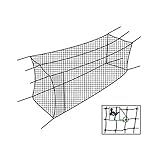
Cimarron’s twisted polyethylene cage nets deliver good durability for the price with a familiar #42 strength class. They are sized to common cage lengths and include border rope. Poly netting handles moisture well and is easy to manage for seasonal setups.
Why it helps: Twisted poly is rot-resistant and UV stabilized. Pre-sized cage nets speed installation and replacement.
Best for: Schools and clubs that want a one-piece net solution at #42 strength without the heavier feel of nylon.
Potential downsides: Nylon still wins on long-term abrasion resistance in very heavy-use settings. For machine-heavy work, add an extra impact panel.
Notable specs: 1-3/4 inch mesh, #42 poly twine, black UV treatment, rope border, common lengths such as 55 and 70 feet.
FORTRESS Ultimate Baseball Batting Cage Net #42 Nylon
FORTRESS from Net World Sports produces robust cage nets with reinforced edging and pro-style construction. The Ultimate series in #42 nylon targets high-school-plus demands with daily hitting and machine use. The fit and finish are consistent, and the border rope is strong.
Why it helps: Pro-grade nylon, excellent seam and border treatment, and reliable square hang make it a strong long-term choice.
Best for: Schools and facilities wanting a durable, ready-to-hang net with fewer upgrade steps. Busy programs with a wide range of hitters.
Potential downsides: Heavier and pricier than mid-level HDPE. Needs stout hardware and anchors for outdoor use.
Notable specs: 1-3/4 inch square mesh, #42 nylon twine, UV protected black netting, reinforced borders, multiple standard cage lengths.
Installation choices that extend net life
Hang loose where impact occurs
Do not stretch the net tight behind the plate or machine. A slight drape dissipates energy and reduces snapback. Add a separate impact panel hung 6 to 18 inches behind the main wall to absorb the brunt.
Use continuous header lines
Run a continuous rope through top border loops from end to end. This spreads load and reduces isolated stress points. Repeat for sides if your frame design allows.
Protect contact points
Add rubber hose, PVC sleeves, or fabric wraps where net rubs on metal. Abrasion here causes early holes. Consider vinyl panel covers on sharp corners.
Plan for drainage
Outdoors, avoid low points that collect water. If the cage sits under trees, clean leaves and debris off the roof net frequently to prevent stretch and mildew.
Common mistakes to avoid
Underestimating gauge for machine use
Even for youth teams, consistent machine work in the same zone chews through light gauge nets. Use at least #36 nylon or #42 poly plus an impact panel.
No UV treatment for sunny climates
Unstabilized nets fail early in high UV areas. Always pick UV-stabilized HDPE or coated nylon for outdoor cages.
Overtightening the net
Excessive tension increases seam stress and can deform the mesh. Aim for snug with controlled drape.
Skipping border reinforcement
Attaching carabiners directly to raw mesh tears corners and edges. Use the rope border and riblines as designed.
Budget planning and total cost of ownership
Upfront vs lifespan
Nylon costs more upfront but often lasts longer under heavy use. HDPE lowers initial cost and is ideal for light to moderate volume. The most cost-effective system for teams is a durable main net plus a replaceable impact panel rotated twice per year.
Hidden costs to consider
Hardware upgrades, padding for abrasion points, seasonal labor for install and storage, and periodic repairs impact total cost. Choose a net that aligns with your staffing and maintenance tolerance.
Final pre-purchase checklist
Confirm the essentials
Mesh size: 1-3/4 inch for baseball.
Material: Nylon for heavy use; HDPE or poly for value and moisture resistance.
Gauge: #21 to #30 for light use; #36 to #42 for team cages; #60 for extreme duty.
UV treatment: Required for outdoor cages.
Borders and riblines: Integrated rope border and internal riblines preferred.
Impact panel: Include a dedicated baffle panel for high-volume hitting or any machine use.
Hardware: Carabiners and header ropes rated for the load, with abrasion protection at contact points.
Conclusion
Choosing the right batting cage net material in 2026 comes down to matching material and gauge to your hitters, your climate, and your workload. HDPE and poly nets deliver value and weather resistance for youth and light programs. Nylon in #36 to #60 is the standard for high school through facility use, especially with machines. Reinforced borders, UV treatment, and a dedicated impact panel determine how long your net lasts. Install with controlled drape, protect contact points, and inspect monthly. With a smart material choice and a few low-cost maintenance habits, your cage will stay safe, quiet, and durable through season after season.