
We are reader supported. When you purchase through links on our site, we may earn an affiliate commission. Also, as an Amazon affiliate, we earn from qualifying purchases.
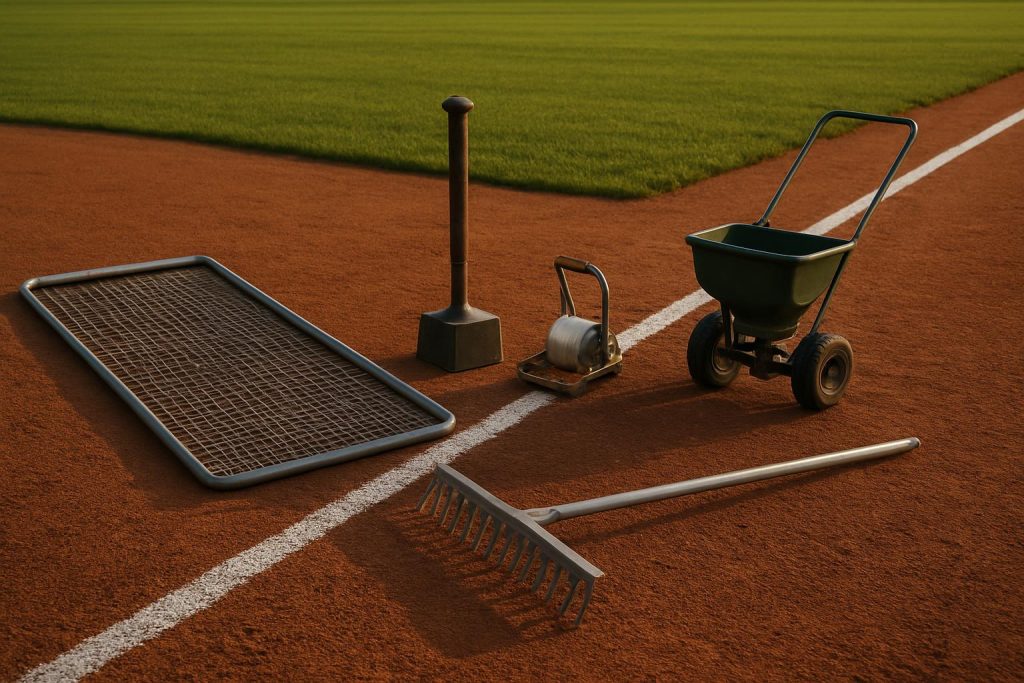
Keeping a small league baseball field smooth, safe, and game-ready is not complicated when you have the right tools. With limited budgets and volunteer crews, you need gear that is durable, simple to use, and easy to store. This guide zeroes in on five field grooming tools that deliver high value for 2026. Each pick can help a small league reduce pregame prep time, extend field life, and protect players from bad hops.
Below you will find clear reasons to choose each tool, use tips that save time, and quick notes on downsides so there are no surprises. If you are new to field work, start with the first three tools and build out over time.
How to choose baseball field grooming tools for small leagues
Focus on the infield first
Most maintenance time goes to the skinned infield. Prioritize tools that level, loosen, and mark the dirt. Outfield grooming is helpful, but a smooth infield has the biggest impact on play and safety.
Pick durable, low-maintenance designs
Volunteer crews need simple tools that hold up. Look for heavy-gauge steel, aluminum heads and bracing, hardwood or fiberglass handles, and parts that are easy to tighten or replace.
Choose sizes that match your crew and storage
Wide tools work fast but require space and enough helpers to move them. Smaller tools store easily and are safer for youth volunteers.
Cover three core jobs
For a reliable weekly routine, make sure your kit covers these jobs:
- Loosen and level the skinned infield
- Tamp and pack high-wear clay areas
- Lay straight, consistent foul lines
Best overall infield leveler: Trigon Sports Galvanized Steel Drag Mat 3 x 4 ft
What it does
This weighted steel mesh mat levels and smooths your skinned infield after games and before chalking. It knocks down ridges, fills shallow cleat marks, and produces a consistent surface that plays true.
Key specs
- Heavy-duty galvanized steel mesh
- Approx. 3 x 4 foot size
- Drag bar and rope setup that one person can pull
Why it helps
Small leagues need a fast solution to restore the infield without heavy equipment. A 3 x 4 mat is a sweet spot for speed and control, light enough for volunteers but heavy enough to do real work. It smooths in minutes and is easy to store on a hook or fence.
Best for
- Daily post-game smoothing
- Pregame prep for a uniform bounce
- Crews with limited time and storage
Potential downsides
- Drag mats do not cut compacted dirt; use a nail drag or rake first if the surface is tight
- Mesh edges can snag fence fabric during storage if not handled carefully
Setup and use tips
- Drag in overlapping passes and finish by pulling from infield edge to the pitcher’s mound to avoid ridges along baselines
- Do not drag over home plate, base tops, or grass
- Lightly moisten the surface before dragging for the best finish
Budget snapshot
Priced in the mid range for field tools and worth it for the time saved across a season.
Best multi-purpose rake: Midwest Rake 36-Inch Aluminum Landscape Rake
What it does
This 36-inch aluminum rake is a field staple. The tines pull and loosen infield material while the flat back side works as a lute to level and feather edges. It is lightweight and strong for repeated daily use.
Key specs
- 36-inch aluminum head with double bracing
- Long handle for better reach and posture
- Rigid construction that holds a straight edge
Why it helps
One tool covers loosening, leveling, and touch-up work. You can address lip build-up, blend conditioner, and prep basepath edges with one pass. Aluminum keeps the weight down so youth helpers can use it safely.
Best for
- Breaking up light compaction before dragging
- Touching up baselines and cutouts
- Blending calcined clay or conditioner into damp areas
Potential downsides
- Not heavy enough to cut deep hardpan on its own
- Handle bolts can loosen over time; keep a wrench in the shed
Setup and use tips
- Use the tines to lightly scarify the top quarter inch, then flip to the flat side to level
- Work from the infield edges inward to reduce lips
- Rake parallel to baselines for a cleaner chalk layout
Budget snapshot
Moderate cost for a tool that can be used every workday from March to October.
Best packer for the mound and plate: AMES 8 x 8-Inch Steel Tamper
What it does
A steel tamper compacts clay in small, high-wear zones like the mound, home plate, and batters boxes. It delivers consistent compression so cleats do not tear up soft spots.
Key specs
- 8 x 8-inch solid steel head
- Long hardwood handle for leverage
- Flat face for even compaction
Why it helps
Mound and plate areas fail when clay is not properly packed. A tamper gives control over firmness in tight spaces where a roller cannot reach. It is also useful for packing around bases after repairs.
Best for
- Setting and maintaining landing area on the mound
- Packing batters boxes after adding clay
- Firming the area around anchors and base sleeves
Potential downsides
- Heavy for younger helpers; assign to adults or older teens
- Small head size means more passes for larger areas
Setup and use tips
- Moisten clay lightly before tamping; wet clay pumps and will not lock
- Tamp in overlapping squares and test with cleats
- Keep the tamper face clean to avoid sticking
Budget snapshot
Low to moderate cost and lasts for years with basic care.
Best line marker for small crews: Champion Sports 2-Wheel Dry Line Marker 10 lb
What it does
This compact dry line marker lays clean chalk lines for basepaths, batter boxes, and the outfield arc. The hopper holds dry marking compound and the wheels keep lines consistent.
Key specs
- 2-wheel push design
- 10-pound capacity for small fields
- Adjustable line width on many models
Why it helps
Clear lines improve game flow and safety. A 2-wheel marker is light, fits in most sheds, and is easy to handle for a single volunteer. No compressor or power source required.
Best for
- Quick pregame line refresh
- Small youth diamonds and multi-field complexes
- Leagues that store equipment in tight spaces
Potential downsides
- Not ideal for wet days; chalk clumps if humidity is high
- Smaller hopper means refills on days with multiple games
Setup and use tips
- Store chalk and the marker in a dry shed to prevent clumping
- Snap tight string guides for straight lines
- Walk at a steady pace; do not rush turns at the corners of the batter box
Budget snapshot
Affordable for most small leagues and a big upgrade over handheld methods.
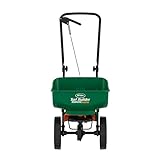
Best conditioner spreader on a budget: Scotts Turf Builder EdgeGuard Mini Broadcast Spreader
What it does
This compact broadcast spreader is designed for granules and works well for applying calcined clay or drying agent across damp infield spots. The EdgeGuard feature helps keep material off the grass.
Key specs
- Lightweight, foldable handle on many units
- Adjustable flow control
- Edge guard for targeted application
Why it helps
When rain leaves soft spots or a light sheen on the skin, even distribution of conditioner prevents over-application and saves money. A small spreader ensures consistent coverage without shovels or hand tossing.
Best for
- Spot treating damp areas before games
- Applying light topdressings across the infield
- Leagues that share tools across fields
Potential downsides
- Not designed for heavy or wet materials; keep conditioner dry
- Broadcast pattern can reach grass if EdgeGuard is off
Setup and use tips
- Test flow settings on a tarp before first use
- Keep the hopper clean and dry; empty after each session
- Use slow, overlapping passes for even coverage
Budget snapshot
Low cost and easy to store. A smart add for leagues in rainy regions.
How these five tools work together
Fast daily routine
- Lightly rake compacted areas with the 36-inch aluminum rake
- Drag the infield with the 3 x 4 steel mat in overlapping passes
- Tamp the mound, plate, and base cutouts
- Apply conditioner with the spreader to damp or tacky spots
- Lay lines with the 2-wheel marker
Weekly or post-rain recovery
- Scarify more aggressively with the rake to break crusted areas
- Use the spreader to topdress with conditioner only where needed
- Drag again to blend and smooth
- Tamp high-wear clay and re-shape the landing area on the mound
- Finish with lines once the surface is firm
Field care basics for small volunteer crews
Moisture management
Moisture is the difference between a surface that powders out and a surface that locks. Light, regular watering and timely use of conditioner reduce compaction and dust. Avoid flooding. Let water soak naturally before dragging.
Stop lips before they start
Do not push infield material onto the grass. Rake and drag from grass edges inward. Clean up any spillover with a shovel and return it to the skinned area.
Protect high-wear areas
- Tamp clay around the rubber and plate after every practice and game
- Cover the mound and plate with tarps when rain is forecast
- Use a tamper to firm around base anchors and re-set if they loosen
Storage and safety
- Hang rakes and drag mats to prevent bent teeth and damaged mesh
- Keep chalk and conditioner dry and off the ground
- Assign heavier tools like tampers to adults or older teens
Common mistakes and how to avoid them
Dragging when the field is too wet
Dragging on wet clay causes pumping and ruts. Let the surface dry to tacky before dragging. If needed, apply a light layer of conditioner first.
Over-chalking
Thick lines waste material and look messy. Keep the marker clean, use dry compound, and walk at a steady pace. Store the marker inside to avoid humidity issues.
Ignoring the edges
Lips form fast when material is pushed into grass. Always finish with inward passes and sweep edges clean.
Using the wrong tool for compaction
A drag mat smooths but does not cut compaction. Use a rake to loosen first. Use a tamper to compress clay where firmness is needed.
Starter kits by budget
Essentials kit
- Trigon Sports 3 x 4 drag mat
- Midwest Rake 36-inch aluminum rake
- AMES 8 x 8-inch tamper
This covers leveling, smoothing, and packing. Enough to transform pregame prep.
Game-day kit
- All essentials
- Champion Sports 2-wheel dry line marker
- Chalk and string line
Now crews can quickly produce clean lines and a consistent surface.
All-weather kit
- All game-day items
- Scotts EdgeGuard mini broadcast spreader
- Top-quality calcined clay conditioner
This setup adds better moisture control and faster recovery after rain.
Care and lifespan tips for each tool
Drag mat
- Hang on a wall or lay flat; do not fold sharply
- Rinse occasionally to remove clay fines that add weight and rust risk
Aluminum rake
- Tighten bolts each month
- Do not use as a pry bar; replace bent teeth promptly
Tamper
- Inspect handle for cracks and replace at first sign of looseness
- Keep face free of dried clay to maintain even compaction
Dry line marker
- Empty leftover material after use
- Store indoors to avoid humidity clumping
Broadcast spreader
- Rinse hopper gently and dry fully
- Lubricate wheels and linkage lightly to prevent sticking
Why these five tools fit small leagues in 2026
Portable and volunteer-friendly
Each tool can be moved and operated by one person. No trailers or tractors needed. Training a new helper takes minutes, not hours.
Proven designs with long service life
Steel, aluminum, and simple mechanical parts outlast heavy-use seasons. Replacement parts are easy to find and repairs are straightforward.
Scalable for multiple fields
Tools are durable enough for a complex and compact enough for single-field leagues. You can add a second drag mat or line marker as teams grow.
Quick reference: When to use each tool
- After practice or games: rake high-traffic spots, then drag mat
- Before chalking: quick drag, tamp mound and plate, lay lines
- After rain: spread conditioner lightly, rake to blend, drag when tacky, then tamp and line
- Weekly deep maintenance: more aggressive raking and tamping, edge cleanup, topdress as needed
Conclusion
Small leagues thrive when maintenance is simple, repeatable, and safe for volunteers. With a steel drag mat, a 36-inch aluminum rake, a compact tamper, a dependable 2-wheel line marker, and a budget-friendly spreader, you can keep fields consistent from opening day to playoffs. Start with the first three tools if funds are tight, add the line marker for cleaner game days, and finish with the spreader for better moisture control. The result is a smoother infield, fewer bad hops, and faster turnarounds between games. Keep the routine light, focus on edges and high-wear areas, and your field will play true all season.