
We are reader supported. When you purchase through links on our site, we may earn an affiliate commission. Also, as an Amazon affiliate, we earn from qualifying purchases.
Baseball uniforms change with time, but one look keeps coming back: knicker-style pants with high socks. If you watch a full slate of games, you will see both long, baggy pants and trimmed, high-cuff knickers on the same field. So why do many players still choose knickers in a league that allows both? The answer blends history, function, comfort, team culture, and style. By the end of this guide, you will know exactly what knicker-style pants are, where they came from, and why they continue to matter today.
What Knicker-Style Baseball Pants Really Are
The Cut and the Cuff
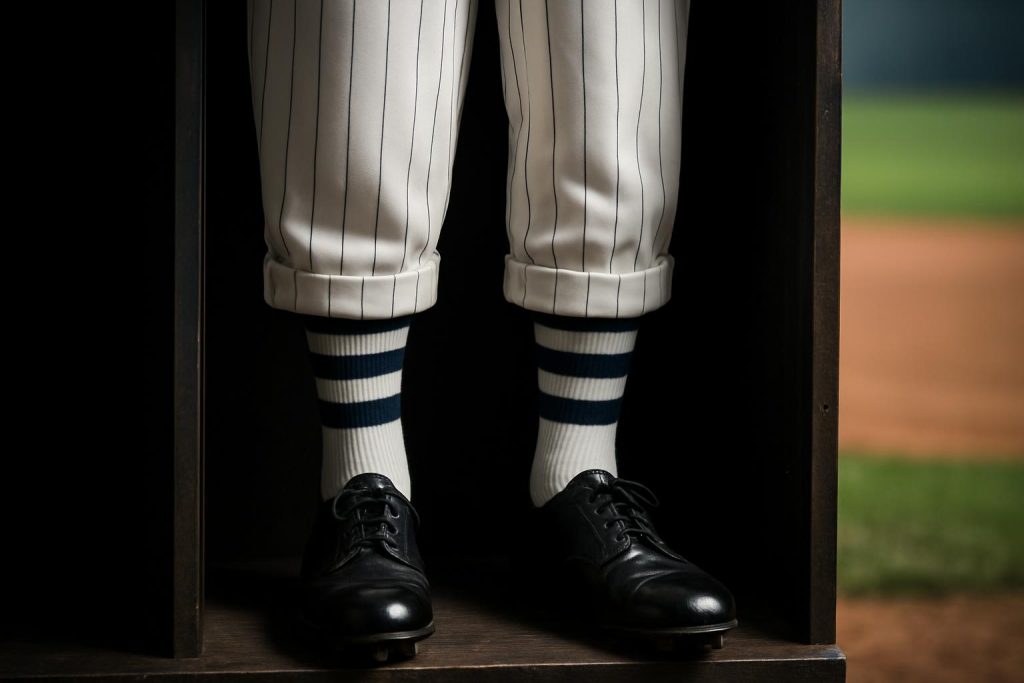
Knicker-style baseball pants are cut to end just below the knee. They have a snug fit around the thigh and knee, and they finish with a cuff that stays put during sprints, cuts, and slides. Instead of covering the shoe and ankle, the pants leave the lower leg visible. That visible lower leg is not bare skin. It is usually a sock layer, often with traditional details.
Socks, Stirrups, and Sanitaries
High-cuff pants pair with socks. The classic setup has three parts. First is a thin white sock called a sanitary, designed to protect the skin. Second is a colored stirrup with an arch cutout that goes over the sanitary. Third is an outer team sock or a patterned compression sock. Today many players skip the separate stirrup and wear a single integrated team sock. The look stays the same either way. Color pops below the knee, the team identity is clear, and the lower leg has a clean, athletic shape.
Where This Look Came From
Early Uniforms and Heavy Fabrics
In the early decades of baseball, uniforms were wool and ran hot. Designers chose knicker-length pants because they reduced bulk around the ankle and allowed air to move. Full-length trousers in heavy fabric held sweat, heat, and dirt. Knickers cut that weight and made daily play more manageable in summer conditions. The game moved fast even then. Quick feet and clear sight lines around the shoes mattered.
The Sanitary Reason
Early dyes sometimes irritated skin or caused infections after cuts. Players wore a white sanitary sock under the colored layer to protect the leg. This sanitary habit paired naturally with shorter pants. The system also made it easier to clean and replace the layer that touched the skin the most. Over time, better fabrics reduced the original risk, but the layering concept stayed part of the uniform tradition.
The Visual Identity
Sports teams thrive on identity. High socks and visible stirrups made teams easy to recognize from a distance. Stripes, colors, and patterns told fans who was who in an instant. Photographs and early broadcasts favored strong visual cues. Knickers plus socks delivered that cue in a way that long pants did not. The pose of a fielder in high socks became part of baseball’s public image, and that image still resonates.
Practical Performance Reasons
Range of Motion and Secure Fit
Good pants do not fight the body. A tightened cuff below the knee keeps loose fabric away from the ankle during hard cuts. Less flap near the shoe reduces distraction. The fit around the thigh and knee supports a full stride without bunching. Players who value a precise, fast first step often prefer the feeling of a fixed cuff and a cleaner lower-leg profile.
Sliding and Abrasion Control
Baseball involves frequent slides. Knees, shins, and calves take hits from dirt and bases. Knickers let players manage abrasion with targeted layers. Many tape their calves, wear compression sleeves, or choose socks with reinforced zones. Because the pants end above the impact area, the setup does not shift as easily during a slide. It also dries faster between innings when socks get dusty or wet.
Footwork and Cleat Safety
Cleats can snag on excess fabric. Pants that drag near the spikes raise that risk. A high cuff clears the shoe throat and tongue by design. Infielders who react in tight spaces, catchers who pop to their feet, and baserunners who launch from a crouch value any reduction in snag risk. One less variable under pressure is a win.
Temperature and Moisture
Modern pants use light polyester blends that wick moisture, but airflow still matters. With knickers, the lower leg breathes through thinner sock fabric instead of heavy pant material. On hot days, that can feel cooler and help with endurance across a long game. On wet fields, socks dry quicker than soaked pant hems. Shorter pants also keep mud line lower and away from the knee joint.
Culture and Tradition
Old School Look With Team Pride
Baseball has deep roots. A knicker setup signals respect for that past. Many clubs have signature sock designs that link current rosters to historic eras. Captains and veterans sometimes set the tone by wearing high cuffs in rivalry games or on special uniform nights. When a club builds a visual story around its socks and stripes, players tend to follow.
Clubhouse Norms and Habit
Rookies copy veterans. If a team’s leaders choose knickers, the clubhouse often leans that way. Players are creatures of routine. Once a setup feels right and produces good games, they stick with it. Tailors and clubbies then fine tune the cut and cuff, and the habit hardens. In a sport where comfort rituals matter, even small uniform details become part of a player’s process.
Broadcast and Fan Perception
High socks read clearly on camera. They help fans track movement and footwork. Teams also use socks to extend brand elements, from color blocks to subtle stripes. Photographers like the clean line of a high-cuff stride because it frames the action. Collectible images and cards often feature players in knickers for that reason. The style supports a consistent visual that carries across highlights, posters, and social feeds.
Rules and What Is Allowed
League Policy in Practice
Professional baseball allows both long pants and high-cuff knickers. Teams must maintain a consistent overall uniform style with approved colors and markings. Within that structure, individual players usually decide pant length. Coaches often ask for clean, safe fits that do not drag on the ground or cover shoes in a way that hides logos or creates tripping risks.
Tailoring, Cuffs, and Sock Visibility
Knicker wearers rely on precise tailoring. The cuff should sit just below the knee, tight enough to stay secure but not so tight that it restricts movement. Uniform managers often add elastic, snaps, or inner grippers to keep the line straight. When socks are visible, teams prefer them to match the set design for the day. That keeps the lineup visually aligned during introductions and on the field.
Why Some Players Choose Long Pants Instead
Comfort and Personal Preference
Not every athlete likes a tight cuff. Some prefer smooth fabric down to the shoe. Long pants can feel comfortable on bus rides, in bullpens, and during long extra innings. For certain builds, a full-length cut provides a balanced pressure on the leg. That comfort feeds confidence. In baseball, feeling right can be a competitive edge in itself.
Protection Style and Padding Choices
Some players prefer to keep skin covered. They pair long pants with sliding shorts, thigh pads, and integrated knee padding. That system can handle repeated slides for players who steal often or dive in the outfield. The extra layer can also reduce turf burns in stadiums with artificial surfaces. With modern fabric, the heat penalty of long pants is lower than it once was.
Fashion Cycles and Personal Brand
Uniform style swings. Some players grew up watching stars in long pants and adopted that look early. It becomes part of personal brand and game day mindset. Clubhouses usually accept both looks, so a player can build a signature approach without pressure to change. As younger players arrive with their own influences, the mix on each team evolves.
The Modern Split: Knickers Versus Long Pants
By Position and Role
There is no strict rule by position, but patterns appear. Middle infielders and catchers often choose knickers for fast footwork and clearance around the shoe. Corner fielders and designated hitters sometimes prefer long pants for comfort during fewer sprints. Pitchers go both ways. Some like high socks for a crisp stride and a sharp look on the mound. Others favor long pants for warmth and familiarity.
By Weather and Field Conditions
Heat pushes many toward knickers. Cold or windy days push some toward long pants to trap warmth over leggings. On wet fields, high cuffs help avoid heavy, soaked hems. On dusty surfaces, players with skin issues may prefer long pants to reduce abrasion. Because baseball plays across varied climates and long seasons, individuals tune their gear day by day.
In the Minors, College, and Youth
Development leagues mirror the same split. Some programs encourage high socks to present a sharp, traditional image. Others allow athletes to choose and focus on comfort above all. Youth coaches often teach the knicker setup partly because it makes it easier to check shin guards and teach proper sliding form. As players climb levels, they keep the habits that work for them.
How Knickers Affect the Game You Watch
Skill Cues and Role Signals
Fans learn to read the field. High-cuff players often project a ready, light-on-feet stance. This is not a strict performance claim, but it can signal intent. Infielders in knickers and crisp socks look prepared to charge bunts and turn double plays. Catchers in high socks look stable and fast to pop time. These cues help viewers anticipate the next play.
Photos, Marketing, and Collectibles
A clear, consistent silhouette sells. Teams build photo libraries with uniforms that pop, and knickers do that well. Card designers and apparel partners often feature high-sock images because they frame logos and lines cleanly. When a player leans into that style, the stitch of a sock stripe or the color pop under the knee can become part of their visual identity for fans.
Buying and Wearing Knickers as a Fan or Player
Finding the Right Fit
Start with your waist and inseam, but focus on the knee. Knicker pants should land a few inches below the kneecap, with a cuff that stays put during a squat. Many brands offer built-in elastic at the hem. If the cuff rides up as you run, go a size longer or use a small strap inside the calf to anchor it.
Setting Up Socks and Stirrups
If you use classic stirrups, first pull on a thin white sanitary sock. Slide the stirrup over it so the arch sits under the foot and the straps align straight. Add an outer sock if desired or go with the stirrup visible directly over the sanitary. Keep team colors consistent and stripe angles parallel on both legs. If you prefer modern team socks, choose compression styles that stay high without rolling.
Care and Maintenance
Wash pants inside out to protect the outer finish. Use stain treatment on dirt and clay before washing. Air dry when possible to preserve elastic. Rotate two pairs if you play multiple days in a row. For socks, avoid fabric softeners to keep compression snug. Store stirrups flat to prevent stretching at the arch.
Why Knickers Keep Their Place
Balance of Function, Identity, and Habit
Knickers balance on-field function with a strong visual identity. They solve small performance details around the ankle and lower leg. They connect players to team history. They are easy to tailor and easy to manage across long seasons. Once a player finds a routine with them, it often becomes a stable part of preparation.
Not a One Size Fits All Choice
Baseball supports personal choices within team standards. Long pants deliver comfort and coverage. Knickers deliver clearance and clarity. Players weigh climate, position, body type, and preference. The ongoing mix on fields across the sport shows that both options have merit.
Conclusion
Knickers did not survive by accident. They began as a practical answer to heavy fabrics and hot days. They developed into a clear team identity tool with bright socks and stripes. They remain useful for footwork, sliding, cooling, and safety around cleats. Players keep choosing them because they work and because they feel connected to the game’s roots. That is why, even as new fabrics and long cuts spread, knicker-style pants continue to hold a secure spot in baseball’s look and in the routines of players who value precision and tradition at once.
FAQ
Q: What are knicker-style baseball pants
A: Pants that end just below the knee with a secure cuff, worn with high socks and often with stirrups or team socks.
Q: Why did early baseball players adopt knicker-style pants
A: To reduce heat and bulk from heavy fabrics, to use sanitary socks for hygiene, and to create a clear visual identity with socks and stirrups.
Q: Do knicker-style pants offer performance benefits
A: Yes. They can improve range of motion and lower-leg clearance, help manage sliding abrasion with targeted layers, reduce cleat snag risk, and aid cooling and drying.
Q: Are knicker-style pants required in professional baseball
A: No. Leagues allow both knickers and long pants. Teams maintain overall uniform standards, and players usually choose pant length within those guidelines.
Q: Why do some players prefer long pants instead
A: For comfort, personal preference, added coverage with padding, and to match personal style or routines.