

We are reader supported. When you purchase through links on our site, we may earn an affiliate commission. Also, as an Amazon affiliate, we earn from qualifying purchases.
Choosing the right glove webbing changes how you field, how you see the ball, and how fast you transfer it. Different web designs control pocket depth, visibility, stiffness, and ball security. This guide breaks down every common web style, who it suits, and how to match a web to your position and style. Keep reading if you want cleaner picks, quicker transfers, and better control on game day.
What Glove Webbing Really Does
Webbing is not decoration. It decides how the glove closes, how deep the pocket feels, and how much light comes through as you track the ball. It also affects break-in time and long-term shape. Infielders need visibility and fast transfers. Outfielders need reach and secure catches. Pitchers need concealment. First basemen and catchers need position-specific pocket strength. Match the web to the job and the glove works with you.
The Main Web Types at a Glance
I-Web for sharp infield hops and quick transfers. H-Web for strong structure and visibility, great for outfield and some infield patterns. Modified Trap for versatile use at short, third, and on the mound. Basket and Two-Piece Closed for pitchers who must hide grips. Trapeze for outfield reach and control. Single Post Double Bar for first base scoops and targets. Catchers use fully closed, reinforced pockets for high-volume impact control.
I-Web
How it plays
I-Webs create a flatter, shallower pocket with clear sight lines through the web. Dirt drops cleanly on picks. The glove closes quickly and stays controllable with one hand. Transfers are fast.
Best positions
Second base and shortstop rely on I-Webs for speed. Many third basemen also like I-Webs when they want more precision on bare-hand-style transfers.
Who might skip it
Players who want a deeper pocket or need more help corralling high-velocity outfield flies should look elsewhere.
H-Web
How it plays
H-Webs, also called dual post webs, balance visibility with strength. The dual vertical posts create a pocket that stays stable on hard contact. The ball sits secure without feeling trapped. Many players like how easy it is to track the ball through the open spaces.
Best positions
Outfield loves H-Webs for long reaches and strong pockets. Some infield patterns, like popular 11.5 and 11.75 models, use H-Webs for third base and shortstop when a little extra structure is needed.
Who might skip it
Pitchers who must hide grips should avoid H-Webs. Players who prefer a very shallow infield pocket may go I-Web instead.
Product spotlight: Wilson A2000 1799 Outfield Glove with H-Web
The Wilson A2000 1799 is a staple outfield pattern with a long, stable pocket and classic H-Web design. Pro Stock leather is firm and long-wearing. The 1799 maintains shape season after season with proper care. The H-Web helps track balls in the gap and secure snow-cone catches without losing control.
Why it helps: Strong structure and length improve reach and ball retention. The H-Web gives visibility on high balls and line drives, which helps timing and confidence.
Best for: Outfielders who want a durable, stable glove that holds a deep pocket for consistent catches across multiple seasons.
Potential downsides: The leather is firm and requires a real break-in. Smaller or younger players may find the size demanding at first.
Modified Trap
How it plays
Modified Trap or Modified Trapeze webs use a central crosspiece with lacing for a semi-closed feel. You get more concealment than an I-Web or H-Web, but more visibility and agility than a full closed web. The pocket sets up medium to deep depending on the pattern.
Best positions
Shortstops and third basemen like its stability on hot shots. Pitchers use it to slightly obscure grips while keeping glove agility. Utility players value the balance.
Who might skip it
Pure middle infielders who want the fastest possible transfer may choose I-Web. Pitchers seeking full concealment might go with two-piece closed.
Product spotlight: Rawlings Heart of the Hide 11.75 Modified Trap
Heart of the Hide leather provides a firm, shape-holding shell that rewards a proper break-in. The modified trap web on an 11.75 pattern gives a versatile pocket useful at short, third, and on the mound. Lacing is robust, and the palm padding balances feel with protection.
Why it helps: Adds stability without sacrificing too much speed. The semi-closed design keeps grips less visible while retaining ball-tracking ability.
Best for: Advanced infielders and pitchers who want one glove to handle multiple roles with pro-level leather.
Potential downsides: Firmer leather requires time and care to break in. Not as ultra-quick as an I-Web for rapid transfers.
Basket Web
How it plays
Basket webs are fully closed or near-closed. They build a soft, secure pocket and hide the ball completely. The basket pattern distributes impact evenly and bends smoothly through the close. Many players find baskets comfortable and predictable.
Best positions
Pitchers favor basket webs to conceal all pitch grips. Utility and recreational players also like baskets for their easy feel and catch security.
Who might skip it
Infielders who prioritize speed and visibility may find baskets too closed-off. Outfielders often prefer H-Webs or Trapeze for tracking.
Product spotlight: Rawlings Player Preferred 12.5 Basket-Web
Rawlings Player Preferred gloves are well-known for comfortable break-in and a forgiving feel. The 12.5-inch basket model gives a roomy pocket, easy catch security, and a glove that becomes playable fast. It is a practical option for pitchers, casual leagues, and players who want a familiar, soft close.
Why it helps: Basket webbing hides the ball and forms a reliable pocket that swallows catches without drama. The break-in is user-friendly.
Best for: Pitchers, recreational or multi-position players who value comfort and simplicity.
Potential downsides: Less airflow and visibility. Not the fastest for transfers. Long-term shape may be less rigid than pro-grade leather.
Two-Piece Closed Web
How it plays
Two-piece closed webs use stacked leather panels to block all sight of the ball. They create a firm catching surface that is excellent for pitchers who must protect pitch selection. The pocket tends to be medium to deep, with a strong close once broken in.
Best positions
Pitchers at all levels. Some infielders who want maximum palm protection may also use it, but it is primarily a pitcher web.
Who might skip it
Infielders who need quick looks and ultra-fast exchanges. Outfielders who prefer open-web tracking.
Product spotlight: Wilson A2000 Pitcher Glove 12 Two-Piece Closed Web
This A2000 pitcher pattern with a two-piece closed web is built from durable Pro Stock leather and stiff enough to shape a consistent, quiet pocket. The closed web hides grips completely, while the 12-inch size adds reach without being bulky on the mound.
Why it helps: Total concealment and clean, controlled closure. The two-piece panel resists deformation better than many single-piece baskets over time.
Best for: Dedicated pitchers who need a sturdy, professional-feeling web that keeps hitters guessing.
Potential downsides: Requires a longer break-in. Reduced visibility is not ideal off the mound in multi-position use.
Trapeze Web
How it plays
Trapeze webs link a long central strip with lace support to create a deep, flexible pocket with excellent reach. The web flexes to absorb the ball yet stays strong enough to prevent pop-outs. It is a classic outfield design for securing tough catches.
Best positions
Outfielders who want a deep pocket and control on runs, dives, and high-point plays.
Who might skip it
Infielders, due to deeper pockets and slower transfers. Pitchers who need concealment should choose closed webs instead.
Product spotlight: Rawlings Heart of the Hide 12.75 Trapeze Outfield
A Heart of the Hide outfield pattern with a Trapeze web produces a long, stable pocket that locks in the ball. The leather holds shape through heavy use, and the lacing supports the web under impact. The 12.75-inch span increases snag range for balls in the alley.
Why it helps: Deep pocket and web flex tame hard-hit balls. Length and structure boost confidence on full-extension catches.
Best for: Outfielders who prioritize secure catches and want pro-grade leather that lasts.
Potential downsides: Heavier than some H-Web setups. Break-in is longer, and transfers are slower than infield webs.
Single Post Double Bar for First Base
How it plays
First base mitts use dedicated patterns with a single post double bar web for a wide, forgiving target and a scoop-friendly pocket. The web keeps the pocket stable on low throws and reduces ball rattle.
Best positions
First basemen at all levels. The structure is built for scoops, stretches, and quick tags.
Who might skip it
All other positions. This web and glove shape are specialized for first base duties.
Catchers: Fully Closed Reinforced Pockets
How it plays
Catchers mitts use fully closed, heavily laced webs integrated with the palm to absorb repeated high-velocity impact. The pocket is deep and strong, keeping the ball secure and reducing sting.
Best positions
Catchers only. The mitt design is unique to receiving, blocking, and transfer demands behind the plate.
Who might skip it
Everyone not catching. The shape, wrist angle, and pocket are built for receiving, not fielding grounders or fly balls.
Product spotlight: All-Star Pro Elite CM3000 Catchers Mitt
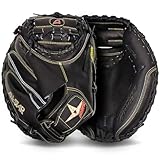
The All-Star Pro Elite CM3000 is a high-end standard for serious catchers. The leather is premium and stiff, with a defined pocket channel that receives cleanly. Lace strength and palm padding stand up to daily bullpens and game action.
Why it helps: Reinforced closed pocket controls spin and reduces rebounds. The mitt keeps shape long-term and rewards proper framing technique.
Best for: Competitive catchers who want consistent feel, durability, and a pro-caliber pocket.
Potential downsides: Steeper price and longer break-in. Not practical for multi-position players.
How to Choose Your Web Type by Position and Style
Infield
Prioritize fast transfers and ball visibility. I-Web is a favorite for second base and shortstop. For hot corners, consider H-Web or Modified Trap for a touch more structure.
Outfield
Need length, depth, and secure catches. H-Web and Trapeze are the standards. H-Web adds clarity for tracking; Trapeze builds a deep, forgiving pocket.
Pitcher
Grip concealment matters. Basket or Two-Piece Closed webs dominate. Modified Trap is a flexible option if you move between mound and field.
First Base
Single Post Double Bar mitts handle scoops and provide a large target. This is a specialized choice for first base only.
Catcher
Fully closed, reinforced mitts only. Focus on pocket strength, padding, and lacing quality.
Pocket Depth, Break-In, and Maintenance
Pocket depth
Shallower pockets speed transfers but can increase drops if technique slips. Deeper pockets secure catches but slow transfers. Choose depth based on position and role.
Break-in expectations
Softer leathers break in quickly but may not hold shape as long. Premium leathers need more work yet last longer. Do not overheat or over-oil; shape by playing catch, light conditioning, and consistent use.
Maintaining your web
Check laces around the web regularly. Tighten early rather than waiting. Keep the glove dry; if it gets wet, air dry away from direct heat and recondition lightly. Shape the pocket with a ball and bands between uses to preserve function.
Common Questions
Is an I-Web or H-Web better for shortstop
Both can work. I-Web emphasizes quick transfers and clean ground work. H-Web adds structure and a slightly deeper catch feel. Choose based on how you field and throw.
What web is best if I play both infield and outfield
There is no perfect hybrid, but a Modified Trap can serve utility roles. If you lean outfield, H-Web is more forgiving. If you lean infield, I-Web is faster.
Does webbing change glove size choice
Not directly, but deeper web designs can feel larger in play. Outfielders often prefer longer patterns. Infielders often use shorter patterns for speed.
Quick Fit Notes
Hand size and fit
Ensure the hand stall matches your hand. Youth or pro taper fits help smaller hands. Adjustable wrist straps on some series improve control.
Lace quality matters
Higher-end gloves use thicker laces that keep the web stable under load. This is critical for Trapeze, H-Web, and first base webs that take repeated impact.
Final Picks by Role
Fast infield transfers
I-Web with firm leather if you want lasting shape, or a softer series if you need quick break-in.
Outfield reach and control
H-Web for visibility and structure. Trapeze if you want a deeper pocket and extra security.
Pitch grip concealment
Two-Piece Closed or Basket. Modified Trap if you split time off the mound and want a middle ground.
Position-specific mitts
Single Post Double Bar for first base. Fully closed, reinforced pocket for catchers.
Conclusion
Webbing is a performance choice. Decide what matters most for your position: speed, visibility, concealment, reach, or catch security. Then pick the web type designed to solve that problem. If you want quick infield exchanges, I-Web earns the nod. If you chase balls in the gap, H-Web or Trapeze will back you up. Pitchers should keep grips hidden with closed webs. First base and catcher should commit to their dedicated designs. Match the web to your needs, break in the glove with intent, and your defense will feel sharper from the first grounder to the last out.